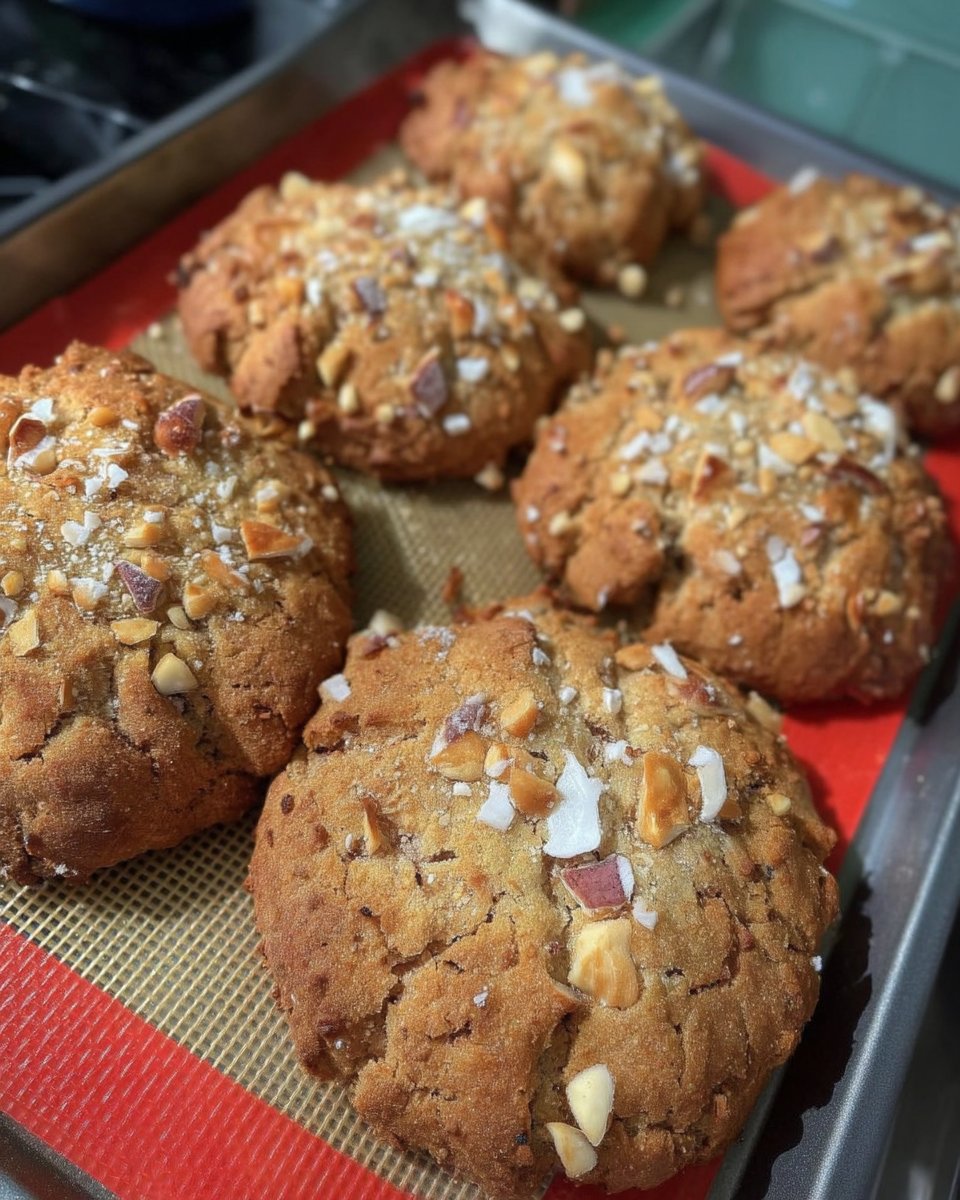
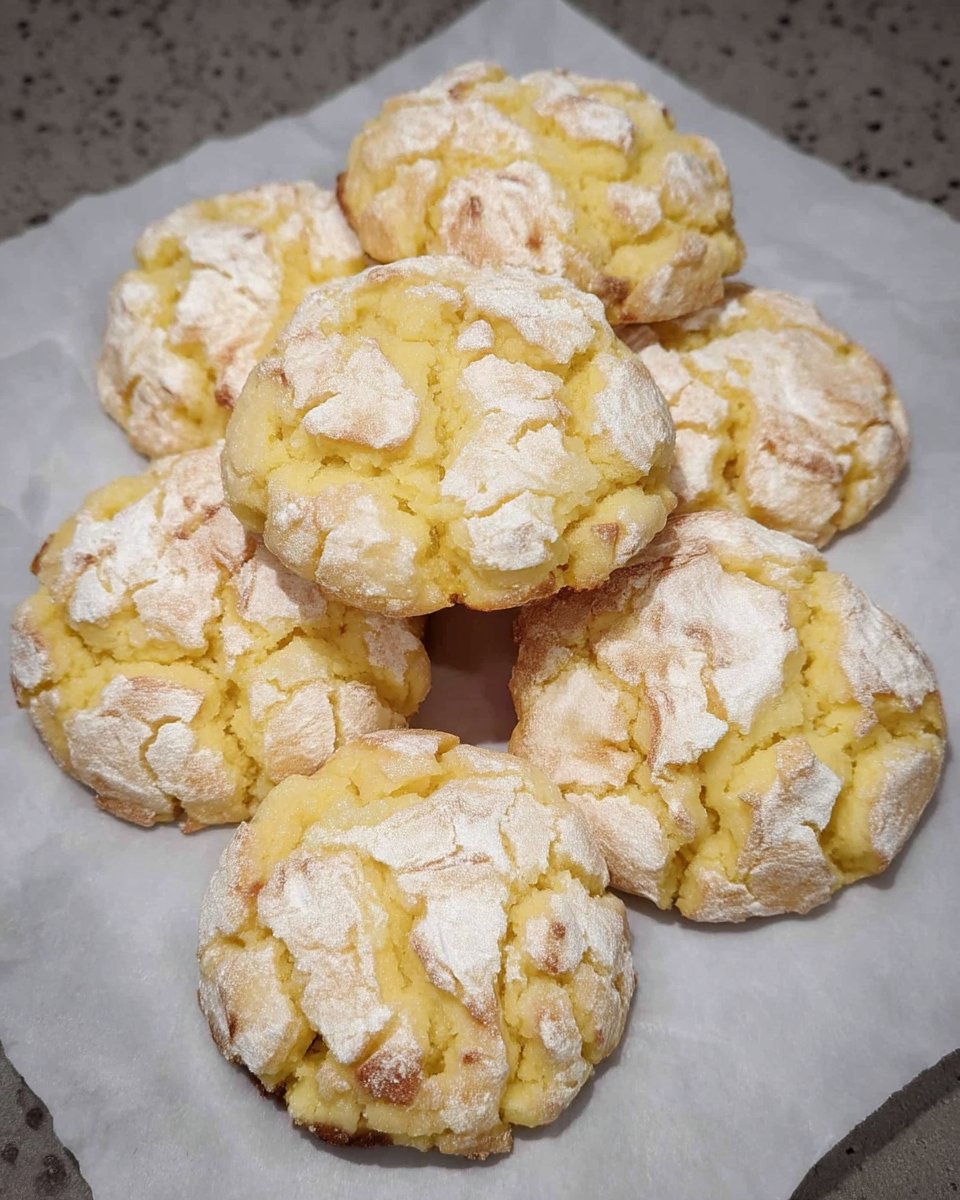
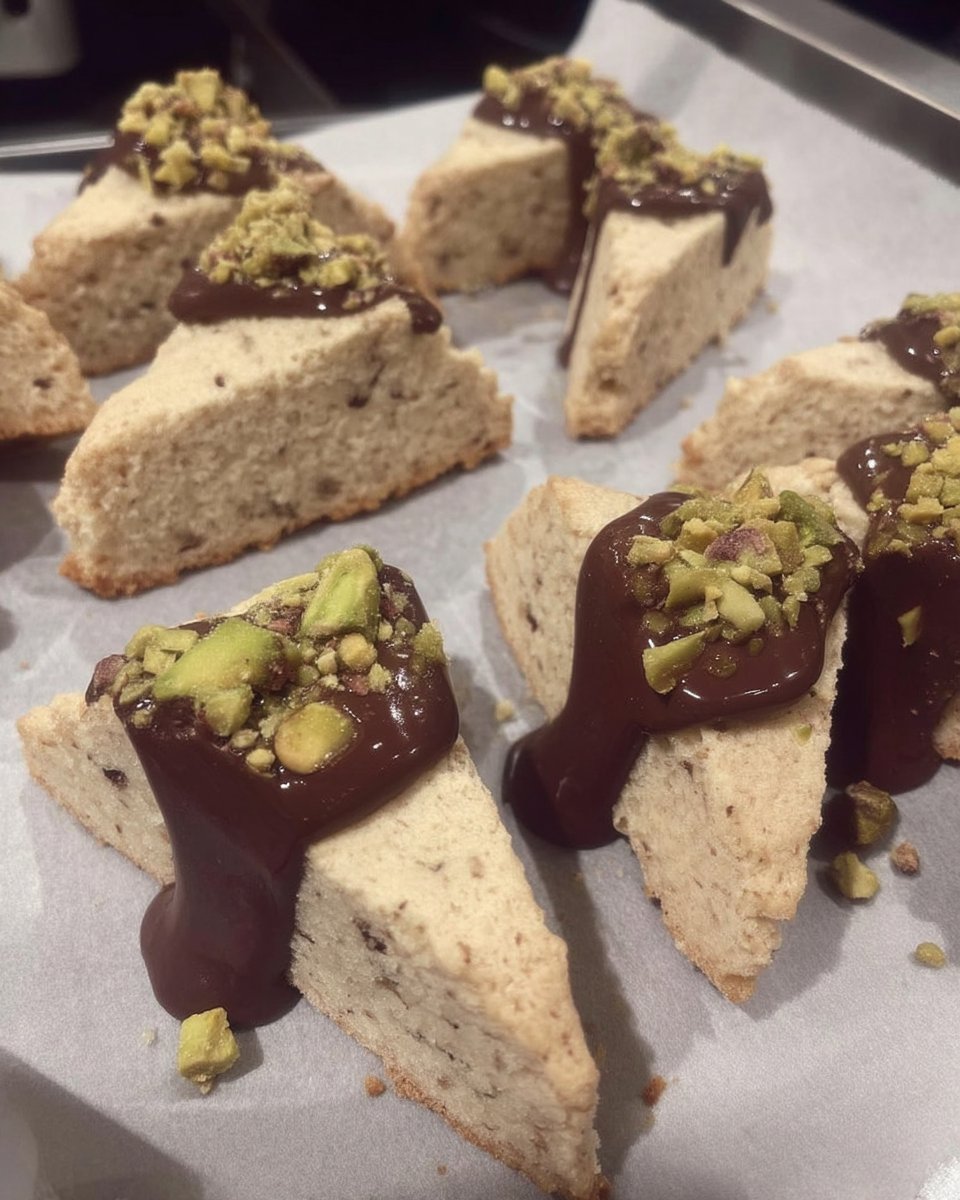
I remember the way the sun used to hit my grandmother’s yellow Formica kitchen table, illuminating the fine dust of almond flour that always seemed to hang in the air when she was baking. She had an old, stained index card tucked inside a heavy Greek hymnal, with the word Amygdalota scrolled in a graceful, fading cursive that spoke of island traditions and quiet afternoons. To her, these weren’t just cookies; they were a piece of her heritage that she carried across the ocean in her heart and her apron pocket.

These traditional Greek almond cookies are a testament to the beauty of simple baking, relying on just a handful of pantry staples to create something truly extraordinary. They are naturally gluten-free and have a texture that is uniquely delightful—crisp on the outside with a soft, chewy center that melts away into a cloud of sweet almond flavor. Whether you are continuing a family tradition or starting a new one, these cookies bring a touch of Mediterranean warmth to every cookie jar they fill.
A Timeless Greek Treasure
You will find that there is something deeply comforting about a cookie that doesn’t rely on fancy fillings or complicated frostings to stand out. These treats are cherished because they celebrate the pure, honest flavor of almonds, a staple of the Greek islands for centuries. They represent a slower pace of life, where the rhythm of the kitchen was dictated by the sound of a whisk and the scent of roasting nuts.
Bakers love this recipe because it is incredibly reliable and produces a cookie that feels sophisticated yet remains humble. The contrast between the toasted, golden exterior and the marzipan-like interior is a sensory experience that modern, processed snacks simply cannot replicate. It is the kind of recipe that makes your kitchen smell like a professional bakery, filled with the sweet, nutty aroma of home.
Another reason to love these is their remarkable shelf life, which is why they have always been a staple in my own cookie jar. Because they are made without butter, they stay fresh and chewy for days, actually developing a deeper flavor as they sit. They are the perfect companion for a morning cup of coffee or a quiet moment of reflection in the afternoon when you need a little something sweet to lift your spirits.
Finally, these cookies are a wonderful way to honor the tradition of heritage baking. In a world of fast-moving trends, sticking to a classic recipe like this connects us to the generations of bakers who came before us. Every time you pipe a tray of these golden gems, you are participating in a story that began on a sun-drenched island long ago. It is a beautiful way to keep those memories alive while creating new ones with your own family around the kitchen table.
Print
Amygdalota
- Total Time: 38 mins
- Yield: 24 cookies
- Diet: Gluten-Free
Description
These elegant Greek almond cookies feature a crisp, golden exterior and a soft, chewy heart that celebrates the pure flavor of almonds. Naturally gluten-free and incredibly simple to prepare, they bring the timeless taste of the Mediterranean to your dessert platter.
Ingredients
- 3 cups superfine almond flour
- 5 large egg whites, divided
- 1 cup superfine sugar
- 1 teaspoon almond extract
- Pinch of cream of tartar
- 1/4 teaspoon salt
- Slivered almonds, for garnish
Instructions
- Preheat your oven to 325°F (165°C) and line two large baking trays with parchment paper.
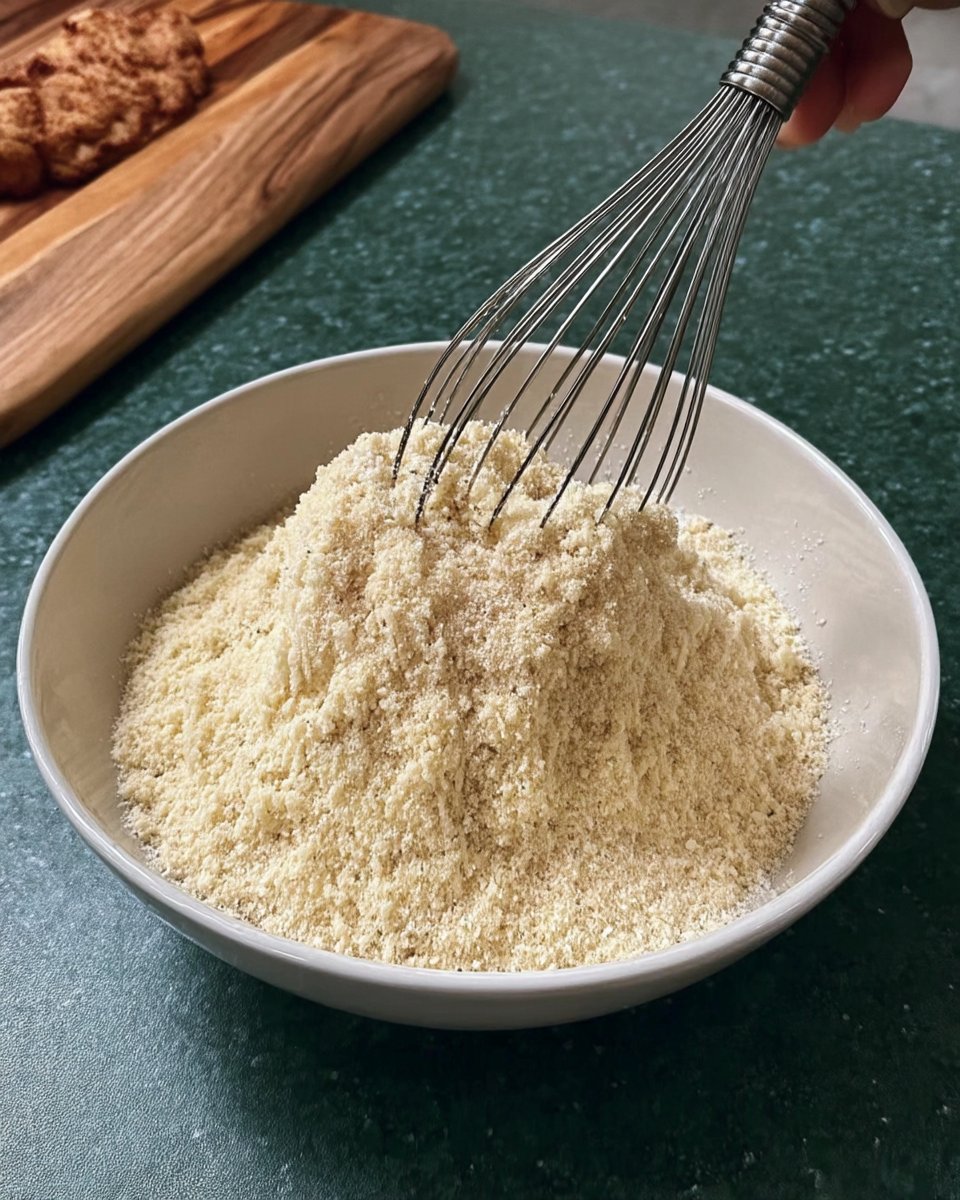
- In a medium bowl, sift together the almond flour and salt to remove any clumps.
- In a large clean glass or metal bowl, beat 3 egg whites with the cream of tartar using a hand mixer until stiff peaks form.
- Gradually add the superfine sugar and almond extract, beating until the mixture is thick, glossy, and holds its shape.
- Gently fold the sifted almond flour and salt mixture into the egg whites using a rubber spatula, being careful not to deflate the air.
- Add the remaining 2 egg whites and use the mixer to combine until the dough becomes a thick, pipeable batter.
- Fit a piping bag with a star tip and pipe cookies about 1 inch high onto the prepared trays, leaving an inch of space between them.
- Press a slivered almond into the center of each cookie and bake for 17 to 19 minutes until the bottoms are light golden.
- Allow the cookies to rest on the tray for 5 minutes before transferring them to a wire rack to cool completely.
Notes
For the most successful meringue, ensure your egg whites are at room temperature and your mixing equipment is completely free of any oily residue. If you do not have a piping bag, these can also be formed using a small cookie scoop or two spoons for a more rustic, home-style appearance.
- Prep Time: 20 mins
- Cook Time: 18 mins
- Category: Dessert
- Method: Baking
- Cuisine: Greek
Pantry Staples from the Mediterranean
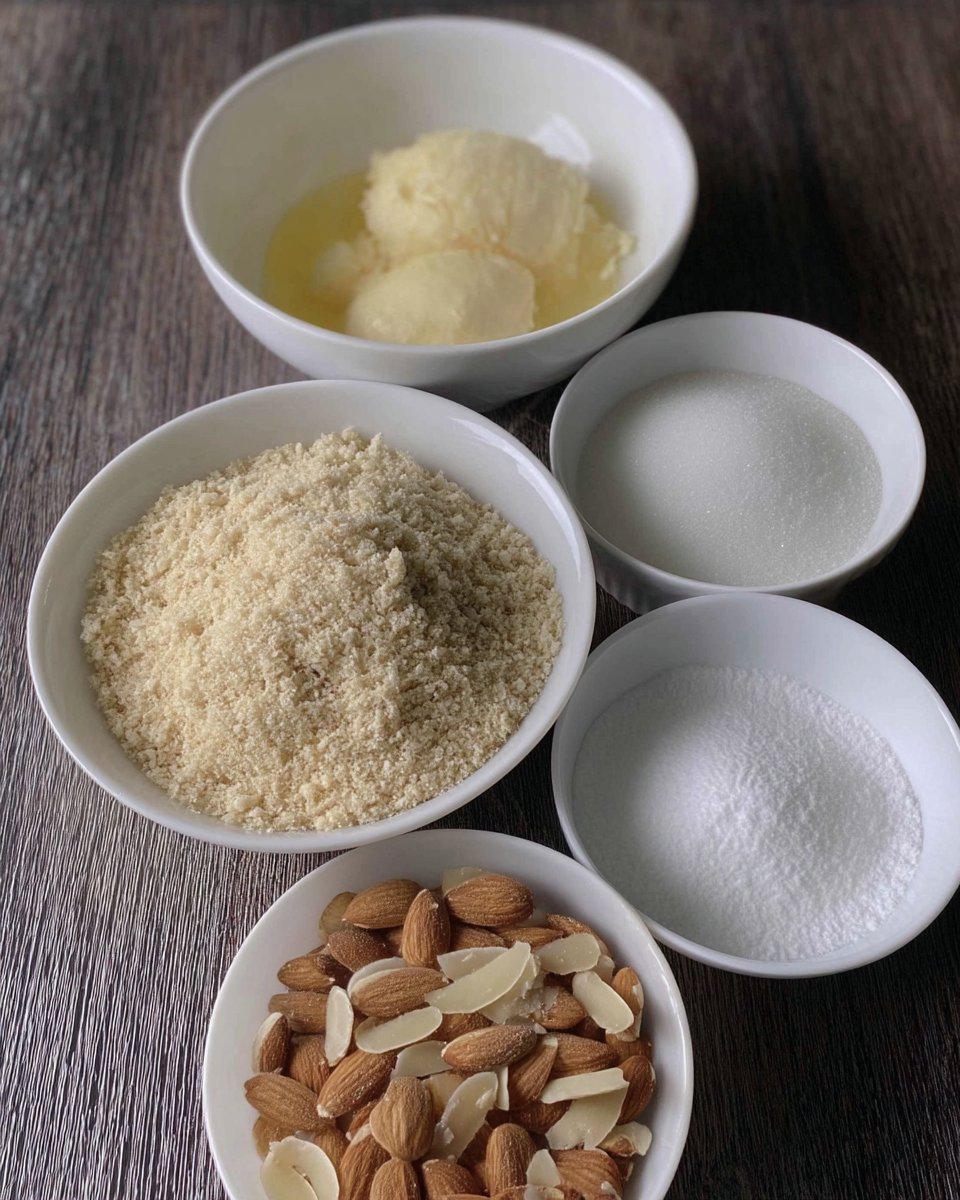
To make these authentic cookies, you only need a few high-quality ingredients that you likely already have in your pantry. Using simple components is the secret to why these cookies have remained a favorite for so many generations.
- Almond Flour: We use three cups of superfine ground almond flour to achieve that delicate, melt-in-your-mouth texture that defines a true Amygdalota.
- Egg Whites: You will need a total of five large egg whites, split into two parts; three will be whisked into a cloud-like meringue, and the final two will be added later to create the perfect dough consistency.
- Superfine Sugar: This dissolves easily into the egg whites, ensuring a smooth batter and a beautifully glossy finish on the baked cookies.
- Almond Extract: A single teaspoon of pure almond extract intensifies the natural nuttiness and provides that signature aromatic quality.
- Cream of Tartar: This little pinch of pantry magic helps stabilize the egg whites, giving your meringue the strength it needs to hold its shape.
- Salt: Just a quarter teaspoon of fine salt balances the sweetness and highlights the richness of the almonds.
- Slivered Almonds: A few of these tucked into the top of each cookie provide a lovely crunch and a traditional look that makes them feel extra special.
When choosing your almond flour, try to find the most finely ground version possible, as this creates a more refined crumb. If you cannot find superfine sugar, you can simply pulse regular granulated sugar in a clean blender for a few seconds until it reaches a finer consistency. These simple choices make a world of difference in the final texture of your cookies.
The Classic Way to Bake Amygdalota
Step 1: Prep Your Ingredients
Before you begin, preheat your oven to 325 degrees Fahrenheit (165 degrees Celsius) to ensure it reaches the perfect temperature for gentle baking. Line two large baking trays with parchment paper so your cookies won’t stick and will have a nice, even bottom. Sift your almond flour and salt together in a medium bowl to remove any clumps and ensure a uniform mixture.
Step 2: Create the Meringue Base
In a large, clean glass or metal bowl, use your hand mixer with the whisk attachment to beat three of the egg whites with the cream of tartar. Continue whisking until the whites form stiff peaks that stand up straight when the beaters are lifted. Gently add the superfine sugar and almond extract, beating again until the mixture is thick, glossy, and holds its shape beautifully.
Step 3: Incorporate the Almond Flour
Switch to a rubber spatula and gently fold the almond flour and salt mixture into your glossy egg whites. You want to be careful not to deflate all the air you just worked so hard to incorporate, but do ensure there are no dry pockets left. The dough will feel quite stiff and heavy at this point, which is exactly how it should look before the next step.
Step 4: Final Dough Consistency
Now, add the remaining two egg whites to the bowl and use your hand mixer, preferably with the paddle attachments if you have them, to combine. This final addition of egg whites will transform the stiff dough into a thick, pipeable batter that is smooth and uniform. This method ensures the cookies have the perfect balance of airy lift and chewy density.
Step 5: Shaping and Garnish
Fit a large piping bag with a star-shaped tip and fill it with your almond batter, then pipe cookies about one inch high onto your prepared trays. Leave an inch of space between each cookie to allow for slight spreading as they bake in the warmth of the oven. If you prefer a more rustic look, you can scoop them with a small spoon, then gently press a slivered almond into the center of each one.
Step 6: Bake to Golden Perfection
Place the trays on the middle rack of your oven and bake for 17 to 19 minutes until the bottoms are a light golden brown. The tops should remain pale or just barely kissed with color, which keeps the centers soft and moist. Let the cookies rest on the baking tray for five minutes to firm up before transferring them to a wire rack to cool completely.
Grandma’s Secrets for Perfect Almond Cookies
One of the most important things to remember is that egg whites at room temperature will always whip up higher and faster than cold ones. If you forget to take them out of the fridge ahead of time, you can place the whole eggs in a bowl of warm water for a few minutes before cracking them. This little bit of warmth makes the proteins more flexible, allowing for a much more stable meringue base.
When it comes to storage, these cookies are true champions of the cookie jar, as they stay fresh for up to a week if kept in an airtight container. If you find they are softening too much in humid weather, you can tuck a small piece of parchment paper between the layers to prevent sticking. For more ideas on keeping your treats at their best, you can look at our Quick & Easy Cookies guide for pantry storage wisdom.
For an extra touch of authenticity, you might consider using a bit of rose water or orange blossom water on your hands if you are rolling the dough by hand. This light floral scent is very common in Greek baking and adds a layer of complexity to the almond flavor. You can find more detailed history on these variations at Mia Kouppa, where they celebrate the regional differences of this classic recipe.
Heritage Twists on a Classic
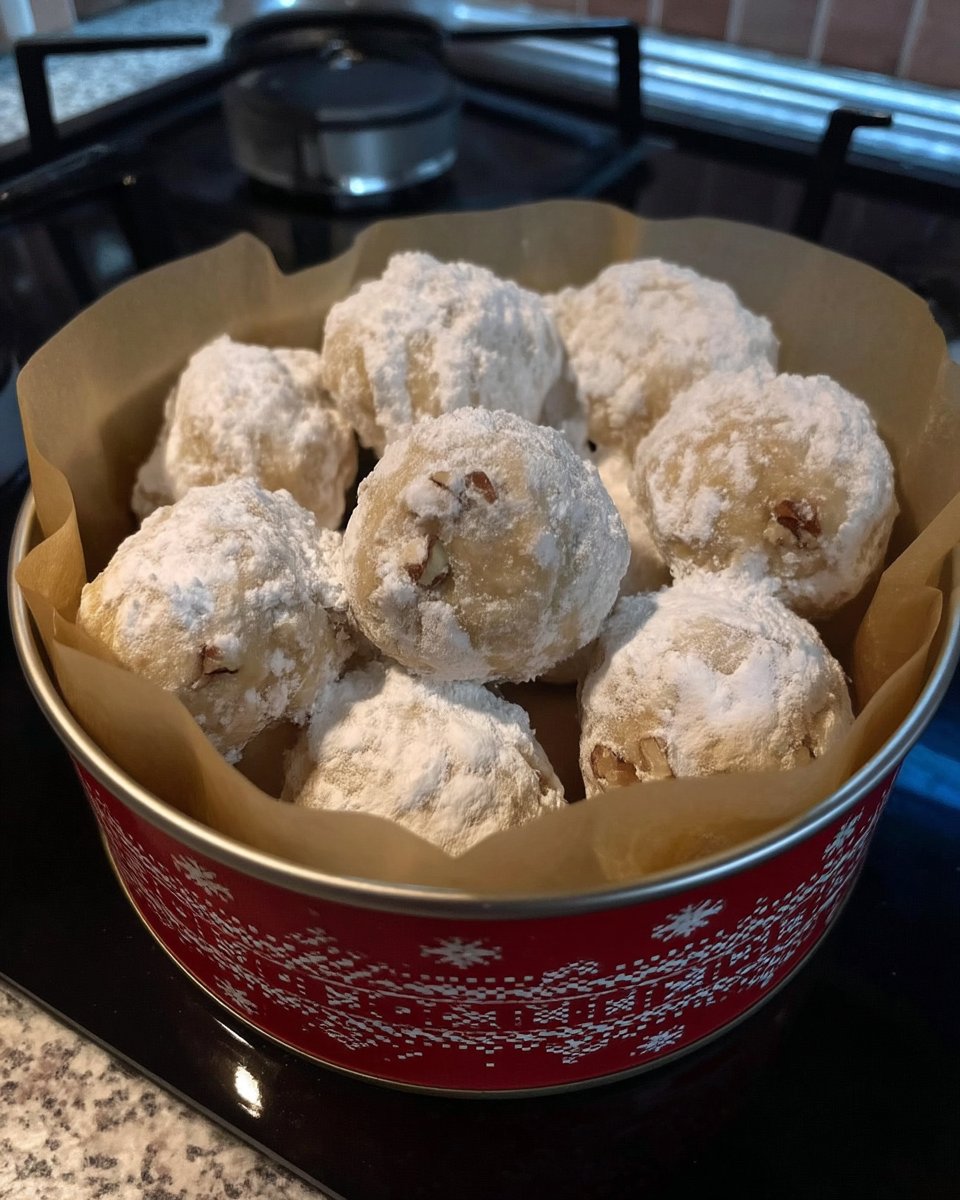
While the traditional version is hard to beat, many families in Greece have their own special way of making these cookies. Some prefer to roll the dough in powdered sugar before baking, which creates a beautiful crackled effect that looks like snow on a mountain top. This variation is particularly popular during the winter months and adds an extra layer of sweetness that children seem to adore.
Another wonderful variation involves adding a bit of citrus zest to the batter, such as lemon or orange, to brighten the deep nutty flavors. This citrusy twist is perfect for spring gatherings or tea parties where a lighter profile is appreciated. If you are looking for more ways to celebrate the season, check out our Holiday Cookie Celebrations for festive inspiration.
For those who love a bit of extra texture, you can replace a portion of the almond flour with finely chopped toasted walnuts or pistachios. This changes the color and the bite of the cookie, offering a more rustic and earthy experience that pairs wonderfully with a dark roast coffee. No matter which variation you choose, the heart of the recipe remains rooted in the simplicity of quality ingredients and careful preparation.
Cookie Jar Time and Traditions
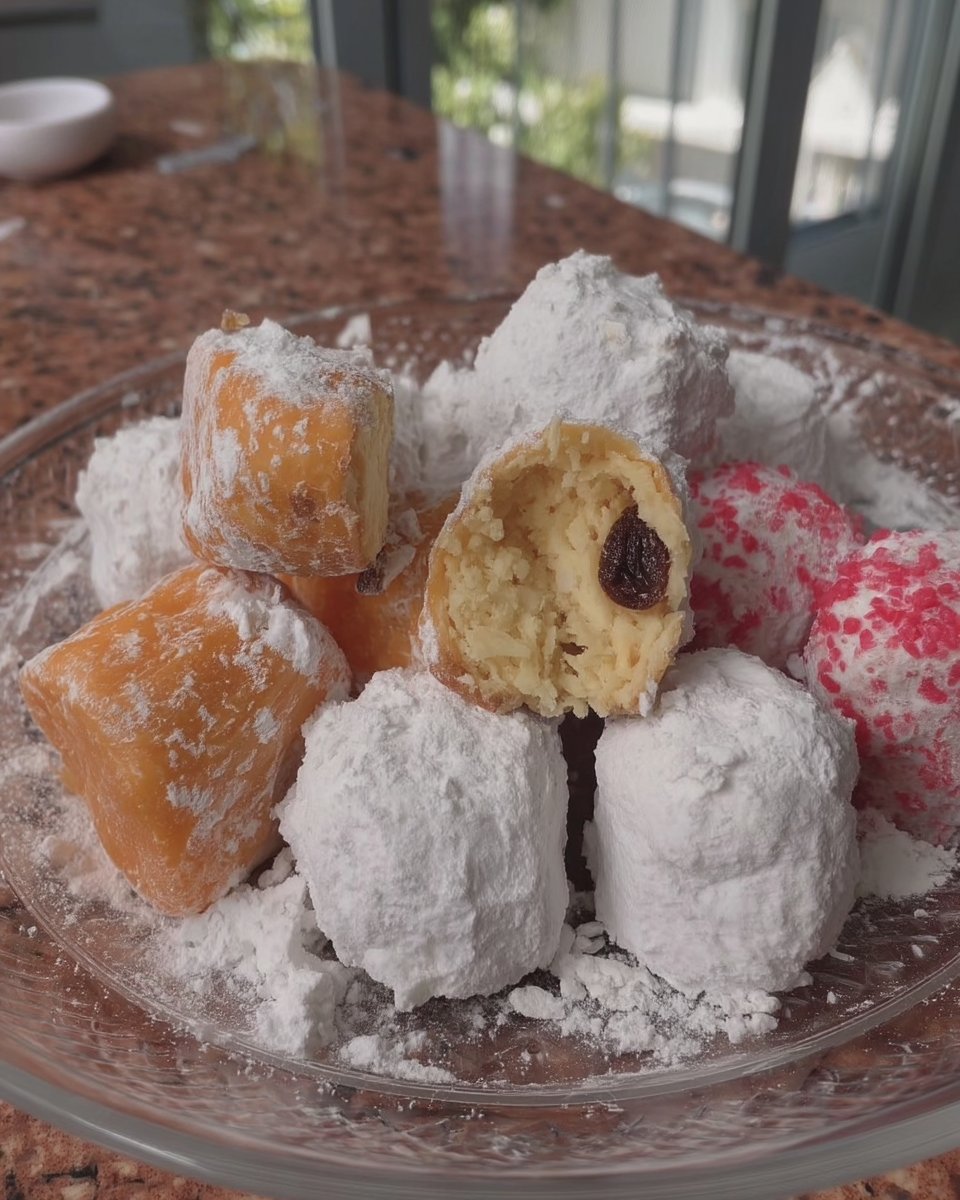
Serving these cookies is all about embracing the warmth of hospitality, which is a cornerstone of Greek culture. I love to arrange them on a vintage ceramic platter, perhaps one with a delicate blue pattern that reminds me of the Aegean Sea. They look beautiful when clustered together, showing off their golden ridges and the toasted almond slivers on top.
To truly enjoy these as they were intended, serve them alongside a small cup of strong Greek coffee or a soothing herbal tea. The sweetness of the almond pairs perfectly with the bitterness of the coffee, creating a balanced treat that invites you to sit and stay for a while. If you enjoy creating beautiful displays for your guests, our Classic Cookie Recipes section has many ideas for traditional presentation.
These are also the perfect cookies to bring to a neighbor or a friend in a simple glass jar tied with a bit of twine. They are sturdy enough to travel well and their long-lasting freshness means the recipient can enjoy them throughout the week. Sharing a batch of these cookies is like sharing a piece of your heart and a bit of history, making every gift feel like a cherished memory in the making.
The Sweet Heritage of Baking
Baking a batch of Amygdalota is more than just a kitchen task; it is a way to reach back through time and connect with the hands that baked before us. There is a profound sense of peace that comes from working with these simple ingredients and following a method that has stood the test of decades. As you pull the golden cookies from the oven, you are carrying forward a legacy of love, warmth, and timeless tradition that will continue to nourish your family for years to come.
I hope these cookies find a permanent home in your heart and your cookie jar, just as they have in mine. For more wholesome treats that focus on simple, honest ingredients, please visit our Wholesome Cookie Options page. I would love to see your beautiful bakes and hear your own family stories, so please join our community and share your journey with us on Pinterest, Instagram, and Facebook. Keep your kitchen warm and your cookie jar full, my dear friends.