I can still see the steam rising from Grandma’s favorite chipped porcelain teapot as she prepped her famous Bara Brith Bites. She would always tell me that the secret wasn’t in the heat of the oven, but in the long, quiet hours the fruit spent soaking in the dark tea overnight. This recipe has been in our family for decades, originally tucked away on a stained index card inside a heavy Welsh Bible.

These little morsels represent the simple joy of a mid-afternoon break, where the clock slows down and the only thing that matters is the warmth of a fresh bake. By using gluten-free flour, we keep this heritage tradition alive for everyone at the table without losing a bit of that nostalgic, spiced character. It is a one-bowl wonder that honors the patience of old-world baking techniques.
A Timeless Welsh Treasure
You will find that these treats are a true jar favorite because they bridge the gap between a hearty bread and a delicate tea cake. There is something deeply comforting about a recipe that requires you to wait, letting the fruit swell with the flavors of a strong brew. These bites are naturally dairy-free and can be made gluten-free with ease, making them a thoughtful addition to any gathering.
In our home, we call these “speckled bites” because of the beautiful patterns the currants and raisins make against the golden crumb. They aren’t overly sweet, allowing the natural richness of the muscovado sugar and the tannins from the tea to shine through. Unlike modern cakes that rely on heaps of frosting, these rely on history and honest ingredients to provide satisfaction. They keep remarkably well in a ceramic cookie jar, often tasting even better on the second or third day as the spices mellow and the moisture settles.
Print
Bara Brith Bites
- Total Time: 9 hours 30 mins
- Yield: 16 bites
- Diet: Gluten-Free, Dairy-Free
Description
These traditional Welsh tea cake bites are packed with tea-soaked dried fruits and warm muscovado sugar. A gluten-free pantry staple, they offer a dense, moist crumb that pairs perfectly with a smear of salted butter.
Ingredients
- 400g dried mixed fruit (raisins, sultanas, and currants)
- 250g light muscovado sugar
- 300ml strong hot black tea (3 teabags)
- 350g gluten-free self-raising flour
- 1 large egg, whisked
Instructions
- Steep three teabags in 300ml of boiling water until the tea is very dark and strong.
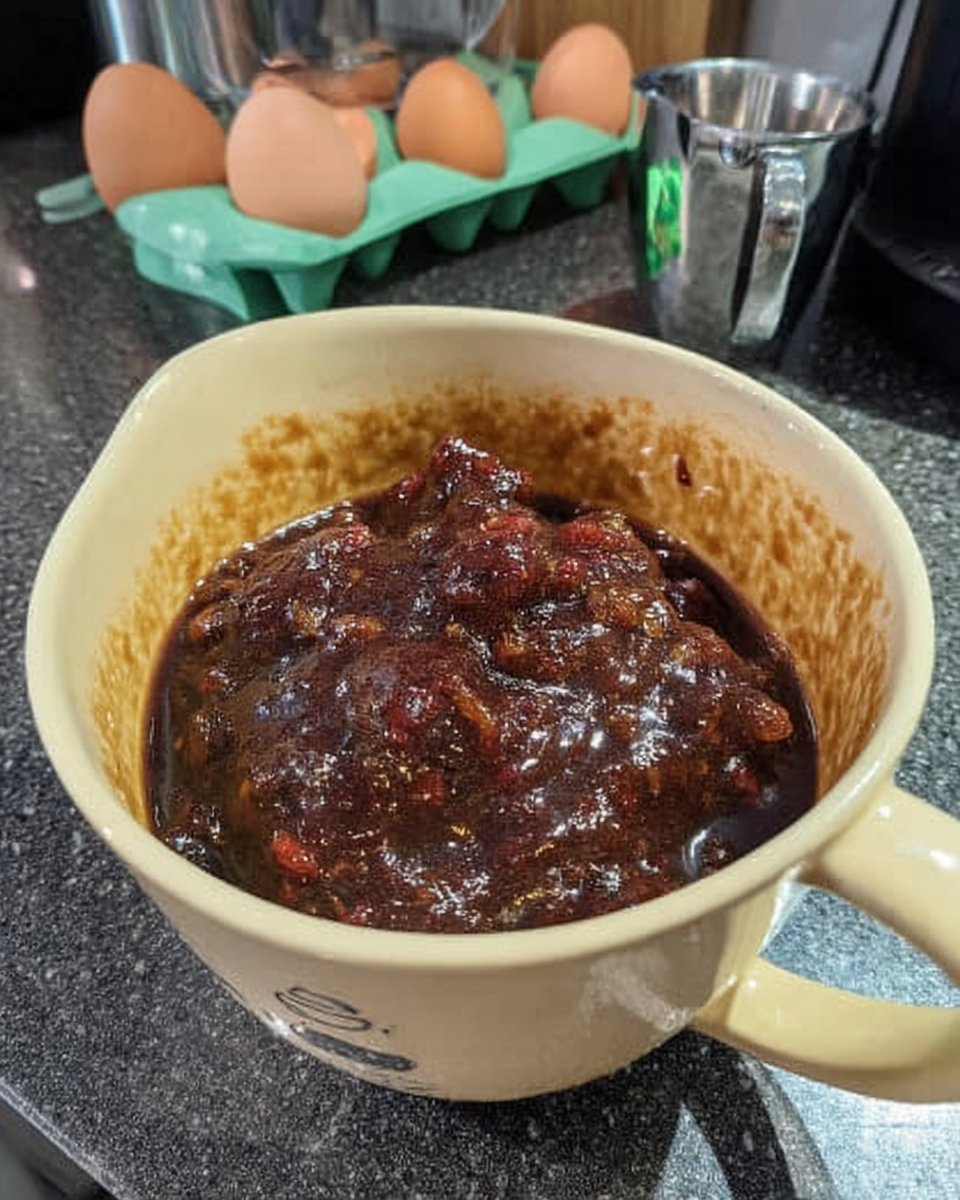
- In a large bowl, combine the dried fruit and muscovado sugar, then pour the hot tea over them after removing the teabags.
- Cover the bowl with a clean tea towel and allow the fruit to soak for at least 8 hours or overnight.
- Sieve the gluten-free self-raising flour into the fruit mixture and stir until no white streaks remain.
- Fold the whisked egg into the fruit batter until the mixture looks glossy and well-combined.
- Pour the batter into a lined 2lb loaf tin and smooth the top with a spatula.
- Bake in a preheated oven at 325°F (170°C) for approximately 1 hour and 20 minutes.
- Test with a skewer to ensure it comes out clean, then let the loaf cool completely in the tin before slicing into bites.
Notes
Using a strong, high-quality black tea is essential as the tannins provide a deep flavor profile that complements the molasses in the sugar. Ensure the loaf is completely cold before slicing to prevent the gluten-free crumb from crumbling, as the structure sets during the cooling process.
- Prep Time: 10 mins
- Cook Time: 1 hour 20 mins
- Category: Snack
- Method: Baking
- Cuisine: Welsh
Simple Pantry Staples
To make these authentic bites, you only need five humble ingredients that you likely already have in your kitchen cupboard. Each one plays a vital role in recreating the taste of a Welsh grandmother’s kitchen.
- Dried Mixed Fruit (400g): I like to use a blend of raisins, sultanas, and currants to get that classic variety of textures.
- Light Muscovado Sugar (250g): This sugar has a sandy texture and a hint of molasses that gives the bites their deep, caramel-like color.
- Strong Hot Tea (300ml): Use three teabags of a good quality black tea, like Earl Grey or a traditional breakfast blend, to create the soaking liquid.
- Gluten-Free Self-Raising Flour (350g): This provides the structure while keeping the recipe accessible for those with dietary needs.
- One Large Egg: This acts as the binder, bringing the soaked fruit and flour together into a cohesive, sticky batter.
Choosing a high-quality tea is the most important part of the process. The fruit absorbs the liquid, so the better the tea, the richer the final flavor will be. I always suggest a tea with a bit of a citrus note to brighten the dark notes of the dried fruit.
The Heritage Method
Step 1: Steep the Tea
Boil your kettle and add the hot water to three teabags in a measuring jug. Let them steep until the liquid is very dark and strong. This provides the backbone of flavor for your bites.
Step 2: The Overnight Soak
Measure your dried fruit and muscovado sugar into a large mixing bowl. Pour the hot tea over the top, making sure you have removed the teabags first. Give it a gentle stir with a wooden spoon, cover the bowl with a clean tea towel, and let it sit for at least eight hours, though overnight is best.
Step 3: Mix the Batter
Once the fruit has plumped up and the sugar has dissolved into a syrup, give it another stir. Sieve your gluten-free self-raising flour into the bowl and mix until no white streaks remain. This batter will be thick and heavy with fruit.
Step 4: Add the Binding
Whisk your large egg in a small cup and then fold it into the fruit mixture. Stir until the egg is completely incorporated and the batter looks glossy and rich.
Step 5: Prepare the Tin
Line a 2lb metal loaf tin with parchment paper or a pre-shaped liner. Pour the batter in, smoothing the top with a spatula. Don’t worry if the tin looks quite full; this cake doesn’t rise a great deal, so it needs that volume.
Step 6: Bake to Perfection
Place the tin in a preheated oven at 325°F (170°C). Bake for about an hour and twenty minutes. The top should be dark and slightly crispy to the touch.
Step 7: The Skewer Test
Insert a wooden skewer into the center of the loaf. If it comes out clean, your Bara Brith is ready. If it’s still a bit sticky, give it another five minutes under a loose tent of foil to prevent over-browning.
Step 8: Cool and Slice
Let the loaf cool completely in the tin before lifting it out. Once cool, you can slice it into thick pieces or smaller bite-sized squares for sharing.
Grandma’s Baking Secrets
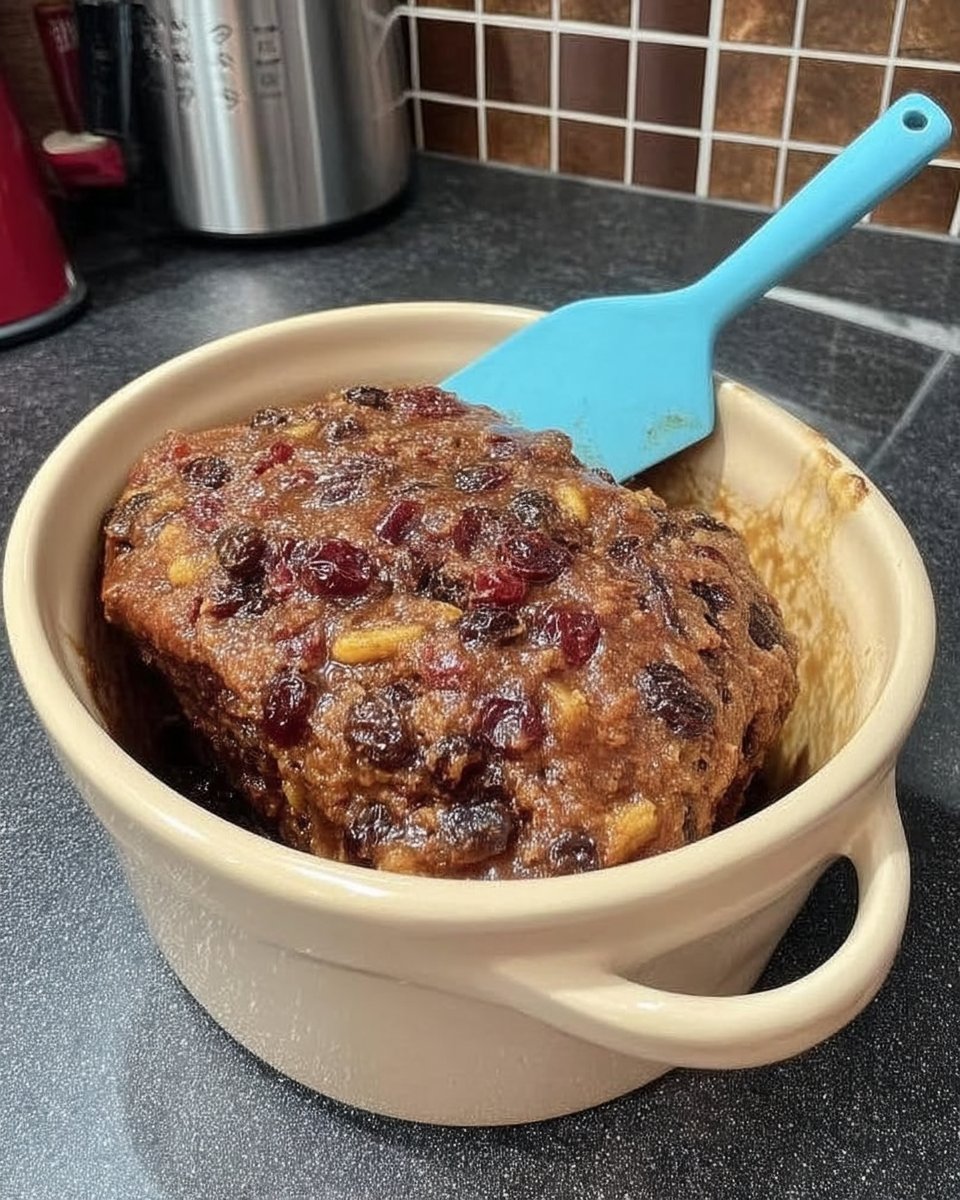
One of the best things you can do for your Bara Brith Bites is to be patient with the cooling process. If you try to slice it while it is still warm, the gluten-free crumb might crumble. Waiting allows the fruit to set and the moisture to distribute evenly throughout the loaf. For more ideas on simple bakes that satisfy the whole family, take a look at our Quick & Easy Cookies which follow a similar philosophy of minimal fuss.
I also recommend using a very strong tea—if you think it looks too dark to drink, it is probably just right for baking. The tannins in the tea react with the sugar to create a complex profile that mimics the taste of expensive spices without needing to open a single spice jar. Always make sure your bowl is tightly covered during the soaking phase so the steam helps soften the fruit skins.
Heritage Twists for Your Table
While the traditional version is hard to beat, there are many ways to make this recipe your own. You might try adding a handful of chopped walnuts for a bit of crunch, or even a teaspoon of mixed spice if you want a more festive feel. If you are interested in how the original loaf compares to these bites, you can find more history on Traditional Bara Brith and how it has evolved over the years.
Another family favorite is to swap the black tea for a spiced chai or a smoky Lapsang Souchong for a completely different aromatic experience. For those who enjoy experimenting with different shapes and textures in their baking, our collection of Classic Cookie Recipes offers plenty of inspiration for turning heritage flavors into new forms.
Sharing the Tradition
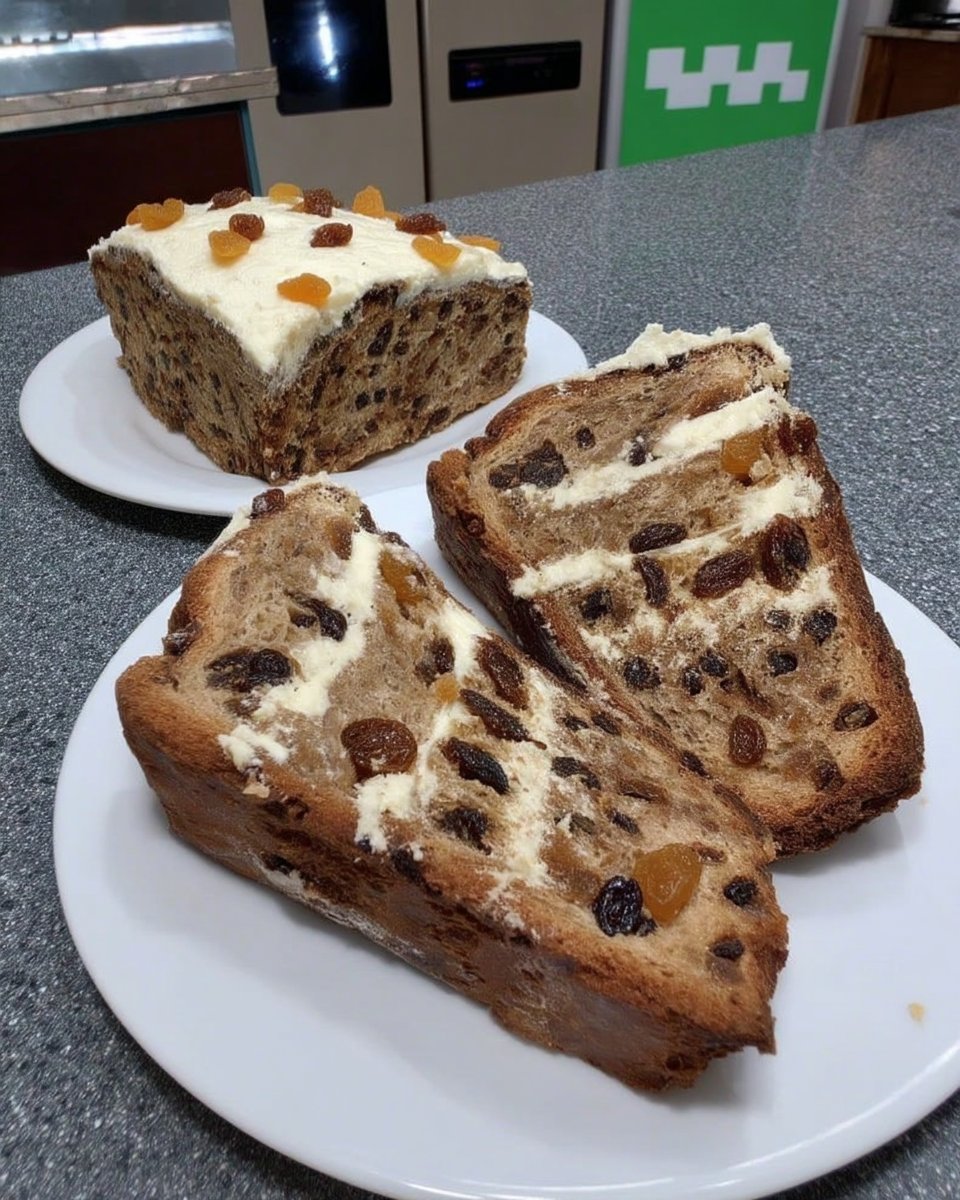
The most traditional way to enjoy these bites is with a generous smear of salted Welsh butter. The saltiness of the butter cuts through the sweetness of the fruit perfectly. I always serve mine alongside a steaming cup of tea, just as my grandmother did every Sunday afternoon. For those looking for lighter accompaniment ideas, our Wholesome Cookie Options provide great pairings for a balanced tea time.
You can also serve these as part of a larger dessert platter. They look beautiful when arranged on a vintage wooden board with some sharp cheddar cheese—a classic pairing in many parts of the UK. The contrast between the sweet cake and the savory cheese is a sophisticated way to finish a meal or enjoy a snack.
A Taste of Sweet Heritage
Making these Bara Brith Bites is more than just a baking project; it is a way to keep a piece of history alive in your own kitchen. There is a special kind of magic in a recipe that has stayed the same for so many years, providing comfort to generations of families. If you are looking for more ways to celebrate the season with timeless treats, be sure to browse our Holiday Cookie Celebrations for more heritage inspiration. We would love to see your bakes, so please share your photos with us on Facebook, Instagram, or Pinterest. Happy baking, from my kitchen to yours.