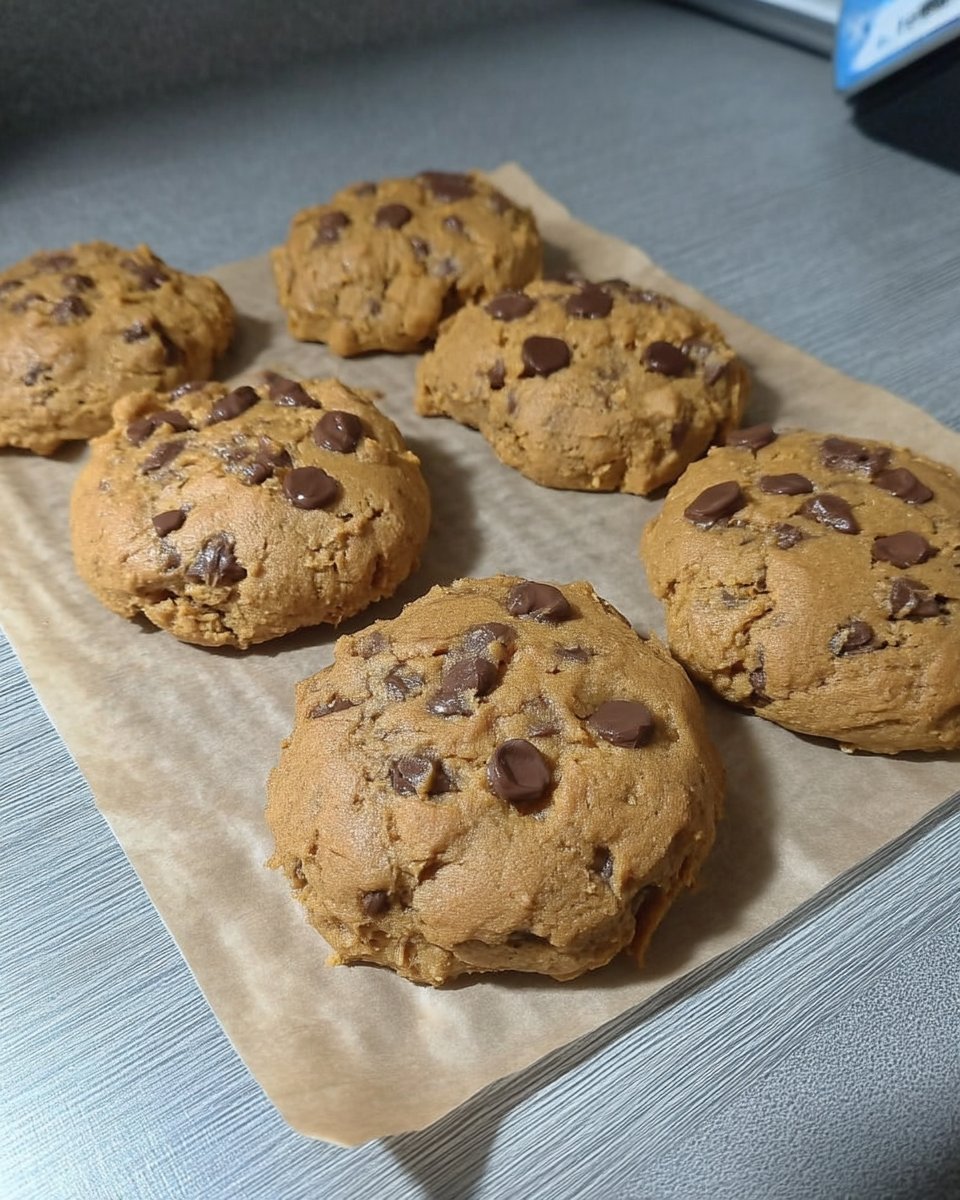
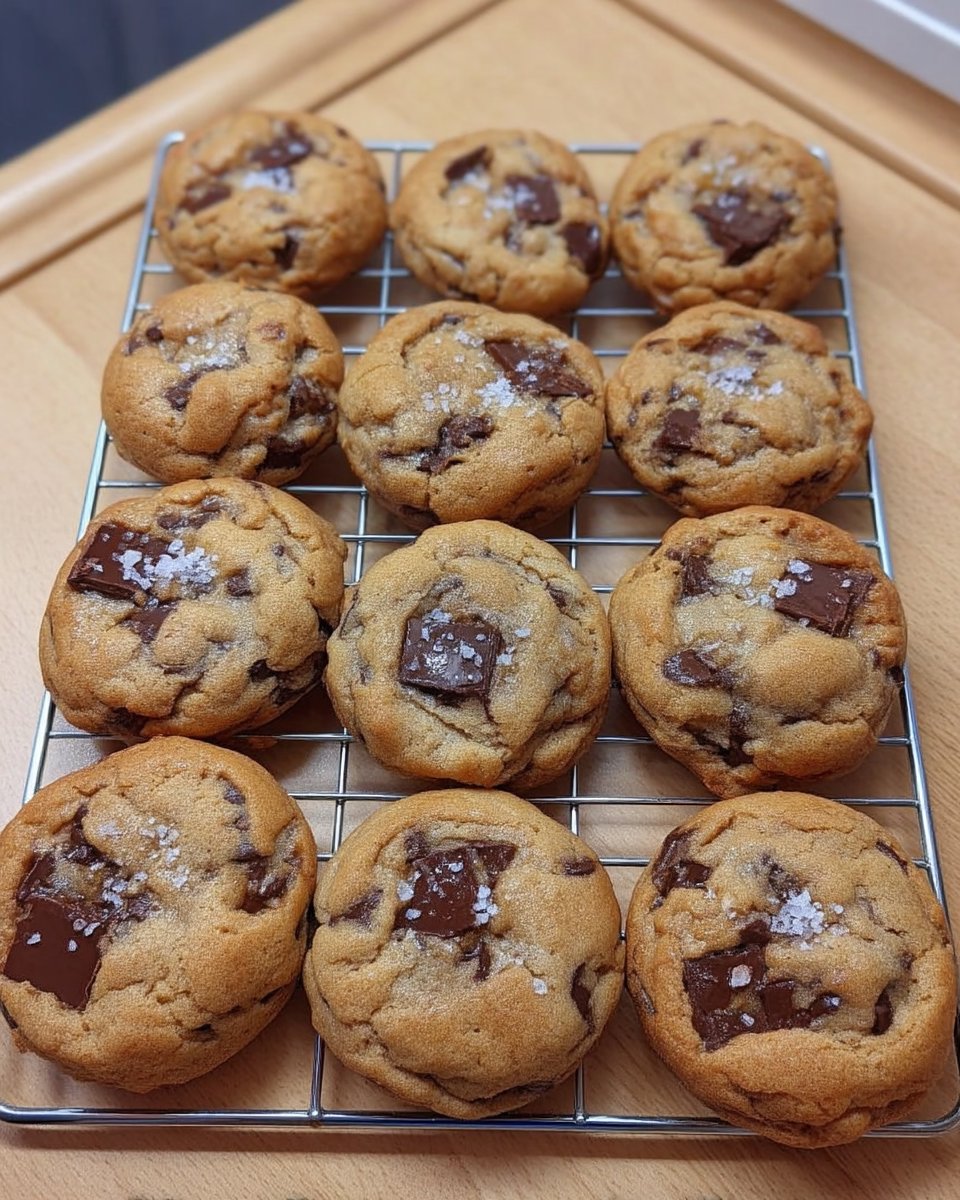
We’ve all experienced the tragedy of the holiday cookie jar: beautiful treats that turn into rock-hard disappointments by day three. It is a baker’s heartbreak to see festive effort go to waste due to staling. These Kourabiedes—traditional Greek butter cookies—are the solution to that problem, designed by history to stay tender and melt-in-your-mouth soft for weeks.

This vintage recipe relies on a generous coating of powdered sugar that does more than just look like snow; it acts as a seal to lock in the moisture of the rich butter dough. My version tweaks the almond roasting process to ensure a perfect snap against the tender crumb, giving you a cookie that actually improves with time as the flavors meld.
Why These Are a Texture Dream
The magic of Kourabiedes lies in their ability to defy the usual shelf-life of homemade goods. While most shortbreads dry out, the heavy dusting of powdered sugar creates a protective barrier, keeping the interior buttery and soft for days—even weeks. If you love a cookie that offers a delicate, sandy crumble that instantly melts on your tongue, this is the ultimate recipe for you.
Beyond the longevity, the texture contrast is simply superior to standard sugar cookies. By using egg yolks instead of the whole egg, we add richness without the rubbery protein of the white, resulting in a “short” texture that is tender rather than hard. The toasted almonds provide a savory crunch that cuts through the sweetness, ensuring every bite is balanced, interesting, and deeply satisfying.
Print
Kourabiedes (Greek Christmas Cookies)
- Total Time: 35 mins
- Yield: 24 cookies
- Diet: Vegetarian
Description
Discover the secret to enduring holiday freshness with these traditional Greek Kourabiedes. These buttery, melt-in-your-mouth almond cookies are encased in a snowy layer of powdered sugar that preserves their tender texture for weeks.
Ingredients
- 250g unsalted butter, softened
- 75g powdered sugar (for dough)
- 1 large egg yolk
- 1 tablespoon orange blossom water
- 150g whole almonds, coarsely chopped
- 450g all-purpose flour
- 1 pinch baking powder (optional)
- Additional powdered sugar for coating
Instructions
- In a large bowl, beat the softened butter and 75g of powdered sugar for 5–8 minutes until the mixture is pale white and fluffy.
- Incorporate the egg yolk and orange blossom water, beating until the mixture is smooth and velvety.
- Coarsely chop the almonds and toast them in a dry pan over medium heat until fragrant; fold them into the butter mixture.
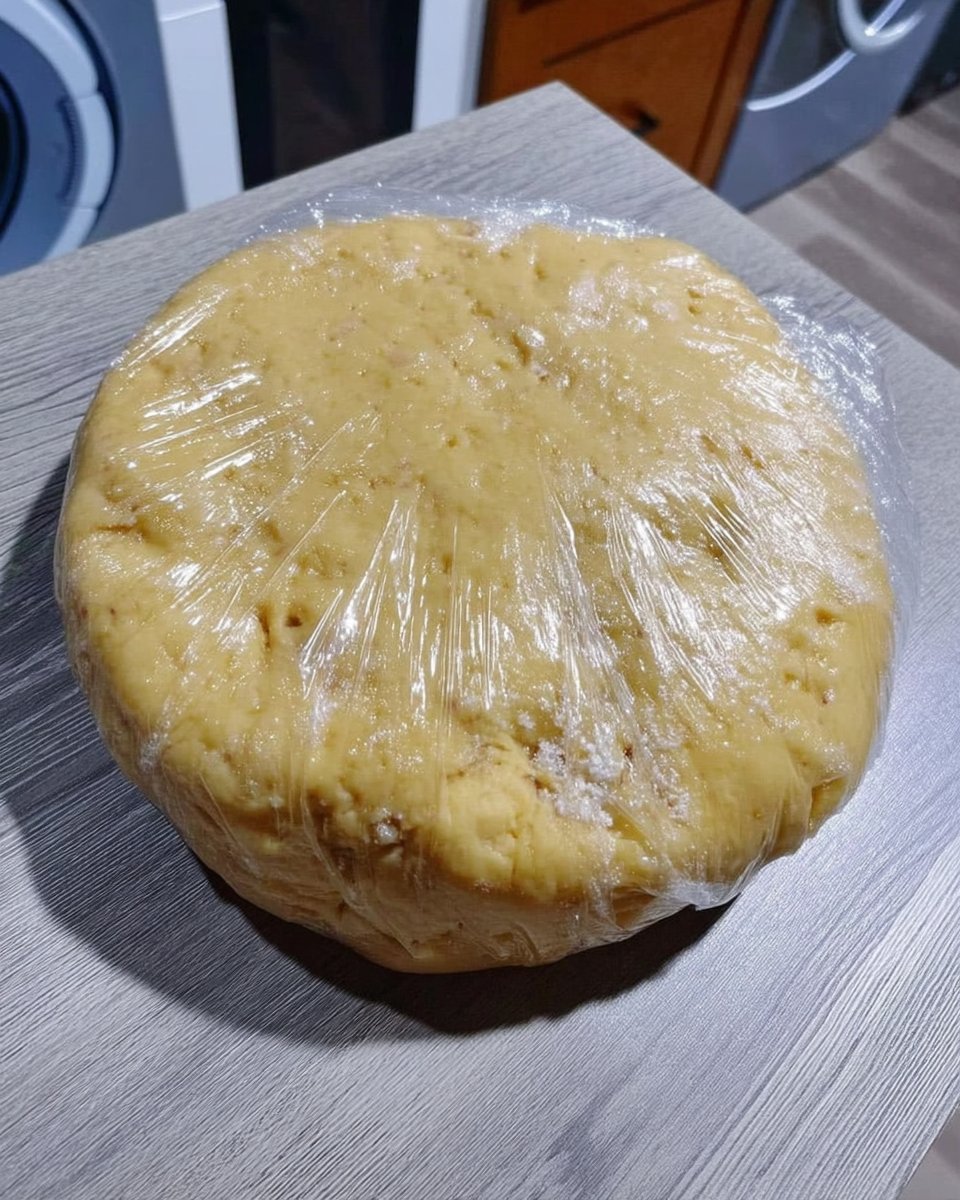
- Gradually add the flour in three batches, kneading gently by hand until a soft, pliable, and non-sticky dough forms.
- Preheat the oven to 170°C (340°F) and shape the dough into small balls or crescent moons on a parchment-lined baking sheet.
- Bake for 10–15 minutes until set but still pale; let them rest for 2–3 minutes before moving.
- Transfer warm cookies to a tray lined with powdered sugar and sift a generous amount over the tops to create a protective thick coating.
Notes
To ensure the most delicate texture, avoid over-kneading the dough once the flour is added. If your kitchen is particularly warm, chill the shaped dough for 10 minutes before baking to help the cookies maintain their traditional crescent shape without spreading too much in the oven.
- Prep Time: 20 mins
- Cook Time: 15 mins
- Category: Dessert
- Method: Baking
- Cuisine: Greek
Texture Ingredients & The Soft Secret
To achieve that signature melt-in-your-mouth feel, we focus on high-moisture retention ingredients and precise fat ratios. Here is what you need to fill your jar with lasting freshness:
- Unsalted Butter (Softened): The backbone of the cookie. It must be very soft but not melted to aerate properly with the sugar. This creates the tiny air pockets that make the cookie light.
- Powdered Sugar (Icing Sugar): You will need this for both the dough and the coating. Using powdered sugar inside the dough rather than granulated sugar ensures a finer, smoother crumb that isn’t gritty.
- Egg Yolk: The recipe calls for one egg, but for the best texture, we focus on the yolk. It adds fat and emulsification, contributing to a chewy, tender bite rather than a crisp snap.
- Whole Almonds: These bring the crunch. We roast them to release their oils before crushing them, which adds a depth of flavor that raw nuts simply cannot match.
- Flour (All-Purpose): The structure builder. We add this gradually to ensure we don’t overwork the gluten, keeping the cookies tender.
- Orange Blossom Water: This provides the signature floral aroma that distinguishes Kourabiedes from plain shortbread. It also adds a tiny hint of hydration.
- Baking Powder (Optional): Traditional recipes often skip it for a denser bite, but a pinch can help if you want a lighter puff.
The Method for Perfect Crumb
Step 1: Aerate the Butter Base
Start by placing your softened butter and the first measure of powdered sugar (75g) into a large mixing bowl. Beat them together vigorously. You want the mixture to turn pale white and fluffy. This process forces air into the butter, which is crucial for a cookie that is substantial yet light. Do not rush this step; give it a good 5–8 minutes.
Step 2: Incorporate Richness and Aroma
Once the butter mixture is pale, add the egg yolk and the tablespoon of orange blossom water. Continue beating until fully combined. The yolk should emulsify with the butter, creating a smooth, velvety cream. This is the foundation of your cookie’s tenderness.
Step 3: Prep the Crunch
While your butter mixture rests briefly, attend to the almonds. Coarsely chop the whole almonds—you want distinct chunks, not a fine powder. Toast them lightly in a dry pan over medium heat until they are fragrant and golden. This roasting step is non-negotiable for flavor depth. Fold the toasted almonds into your butter mixture.
Step 4: Form the Dough
Gradually add the flour to the wet ingredients. I recommend doing this in three batches. At first, use a spoon or spatula, but as the dough stiffens, switch to your hands. Knead gently inside the bowl just until the dough comes together and is malleable. It should be soft and pliable, not sticky. If it sticks to your fingers excessively, add a dusting more flour, but be careful not to dry it out.
Step 5: Shape and Bake
Preheat your oven to 170°C (340°F). Line a baking sheet with parchment paper. Take small portions of dough and shape them into balls or traditional crescent moons. Place them on the baking sheet, leaving a little space between each as they will puff slightly. Bake for 10 to 15 minutes. They should remain pale—do not let them brown deeply. They are done when they are set and have a very light golden hue on the bottom edges.
Step 6: The Sugar Curing Process
This is the secret to their longevity. While the cookies are baking, sift a thick layer of powdered sugar onto a serving platter or baking tray. When the cookies come out of the oven, let them rest for 2–3 minutes so they don’t crumble when moved, then transfer them while still warm onto the sugar bed. Immediately sift more generous amounts of powdered sugar over the tops, burying them. The heat from the cookies will steam the sugar slightly, creating a protective, sweet crust that seals in the moisture.
Mehmet’s Freshness Secrets
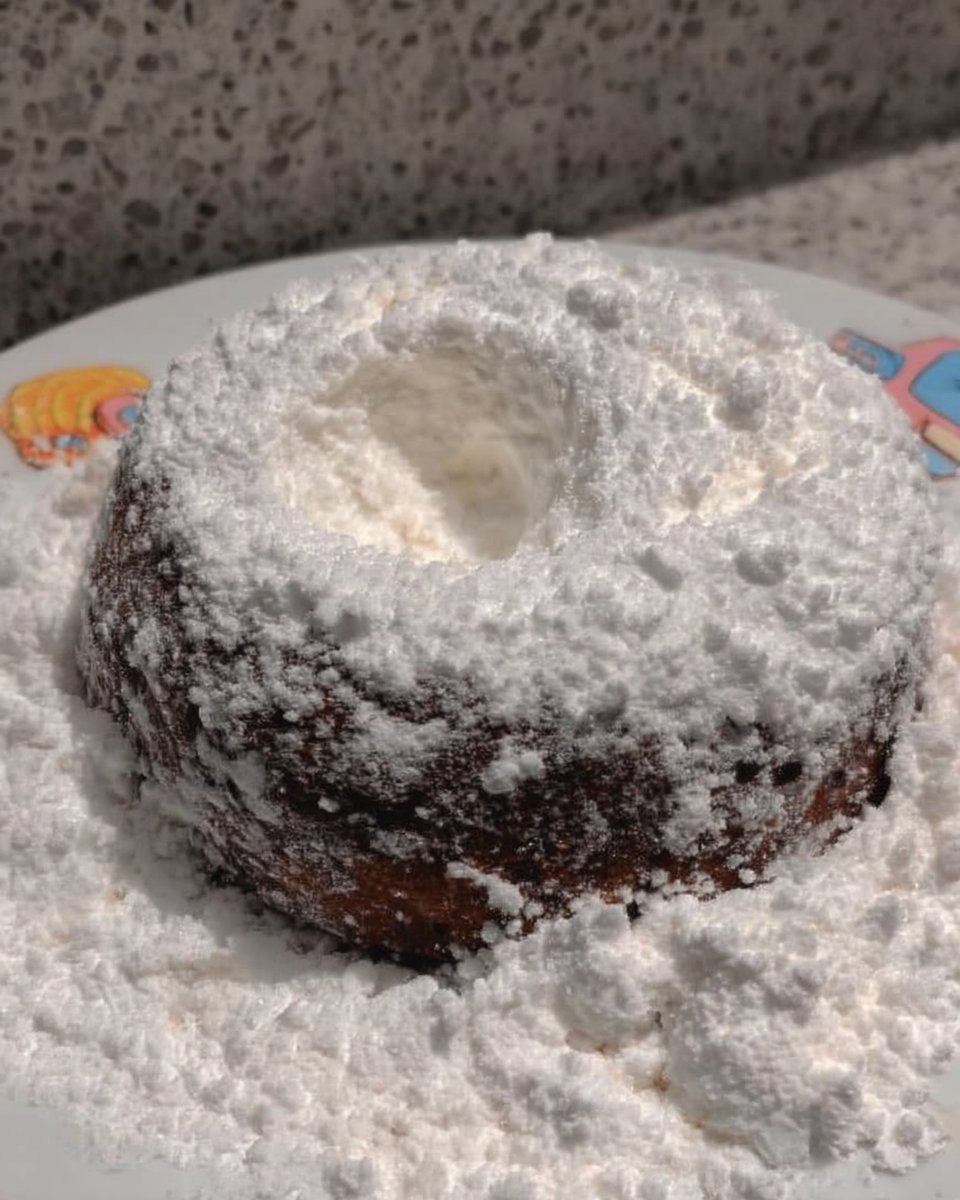
Achieving that bakery-perfect texture requires a few insider moves. Here is how to ensure your Kourabiedes stay soft for the long haul.
- Don’t Overbake: These cookies are meant to be pale. If you bake them until they are golden brown like a chocolate chip cookie, they will be hard and dry. Pull them when they look matte and set. The residual heat will finish the cooking process.
- The Double Coat: For the ultimate “snowball” look and moisture seal, coat them once when warm (to create a sticky base layer) and again when fully cooled (for the fluffy, snowy finish). This double layer is the armor against staling.
- Toast the Nuts: Never skip toasting the almonds. Raw almonds in a soft cookie can feel rubbery. Toasting ensures they stay crisp even after days in the jar.
- Clarified Butter: For an even more authentic, rich flavor, some bakers use clarified butter (ghee). It removes the water content from the butter, resulting in an even more tender, melt-away crumb.
If you love baking traditions from around the world, check out our guide to Holiday Cookie Celebrations for more festive inspiration.
Texture Tweaks & Heritage Changes
You can adjust this recipe to suit your pantry or your texture preferences without losing the soul of the cookie.
- The Nut Swap: While almonds are traditional, walnuts make for a slightly softer, earthier cookie. The oil content in walnuts is higher, which can actually keep the crumb moister for longer.
- The Clove Surprise: In some Greek households, a single whole clove is embedded in the top of each cookie before baking. It infuses a warm spice flavor into the dough surrounding it. Just remember to remove it before eating!
- Gluten-Free Option: Because this is a shortbread-style cookie, it adapts reasonably well to gluten-free all-purpose flour blends. Look for blends that contain xantham gum to help with binding, or try some of our Wholesome Cookie Options for other diet-friendly treats.
- Choco-biedes: For a modern twist, add mini chocolate chips to the dough. It breaks tradition, but the chocolate adds pockets of creaminess against the sandy texture of the cookie.
Jar Fresh & Texture Enjoyment
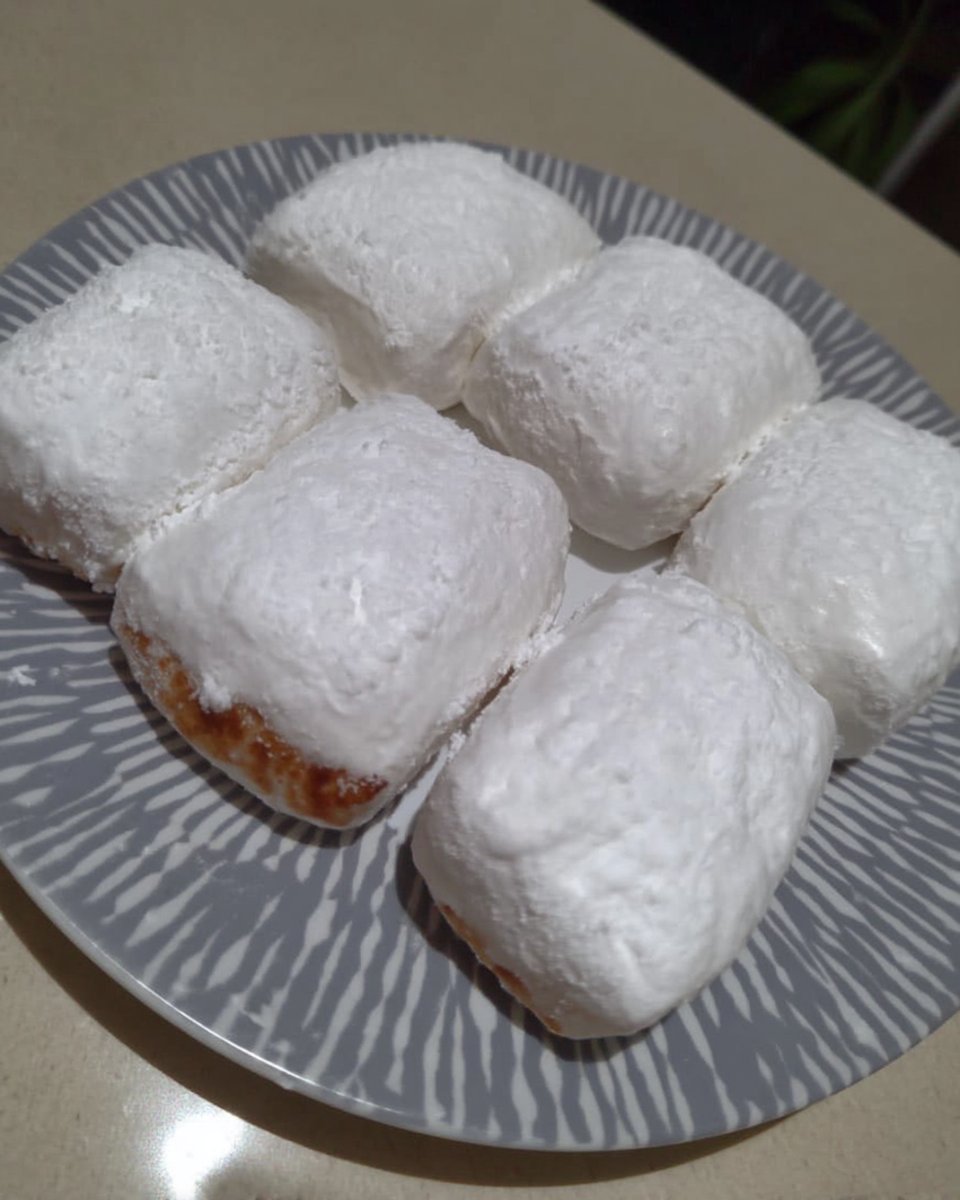
These cookies are the champions of the “make-ahead” holiday strategy. Because they improve with age, you can bake them weeks before your event.
- The Coffee Companion: The sandy, melting texture of a Kourabiedes is specifically designed to pair with strong coffee or tea. The liquid helps dissolve the buttery crumb on the tongue instantly.
- The Christmas Pyramid: Traditionally, these are served stacked in a high pyramid on a platter. This isn’t just for aesthetics; piling them helps trap the vanilla and orange blossom aromas within the mound, intensifying the flavor when you finally pull one off the stack.
- Refreshing the Snow: If you store them for a long time and the sugar looks a bit damp or yellowed from the butter, simply give them a fresh dusting of powdered sugar right before serving to restore that pristine snowy look.
For more ideas on how to present your holiday bakes, look at our Cookie Decorating Traditions guide.
The Texture Truth
Kourabiedes prove that the old ways often hold the best secrets for preservation. By using a sugar seal and high-quality butter, you get a cookie that defies the dryness of modern treats. They are a testament to the idea that patience and simple ingredients can create something that stays fresh and delicious long after the oven has cooled. Whether you stack them high for a party or keep a stash in your vintage jar, these cookies promise a tender bite every single time.
For more timeless recipes that withstand the test of time, browse our Classic Cookie Recipes.
Connect with us for more fresh baking tips:
Pinterest | Instagram | Facebook | TikTok
*(Recipe inspiration adapted from Alpha Omega)*