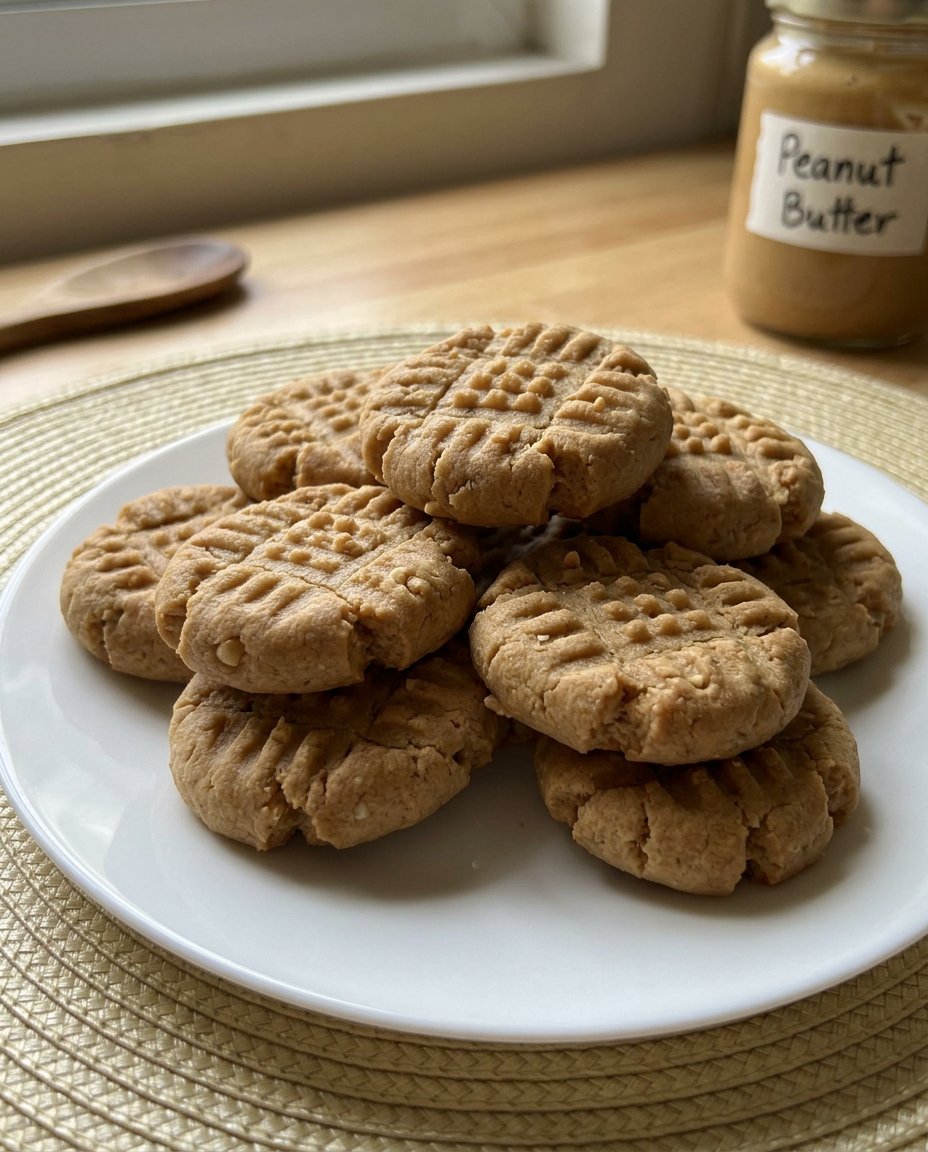
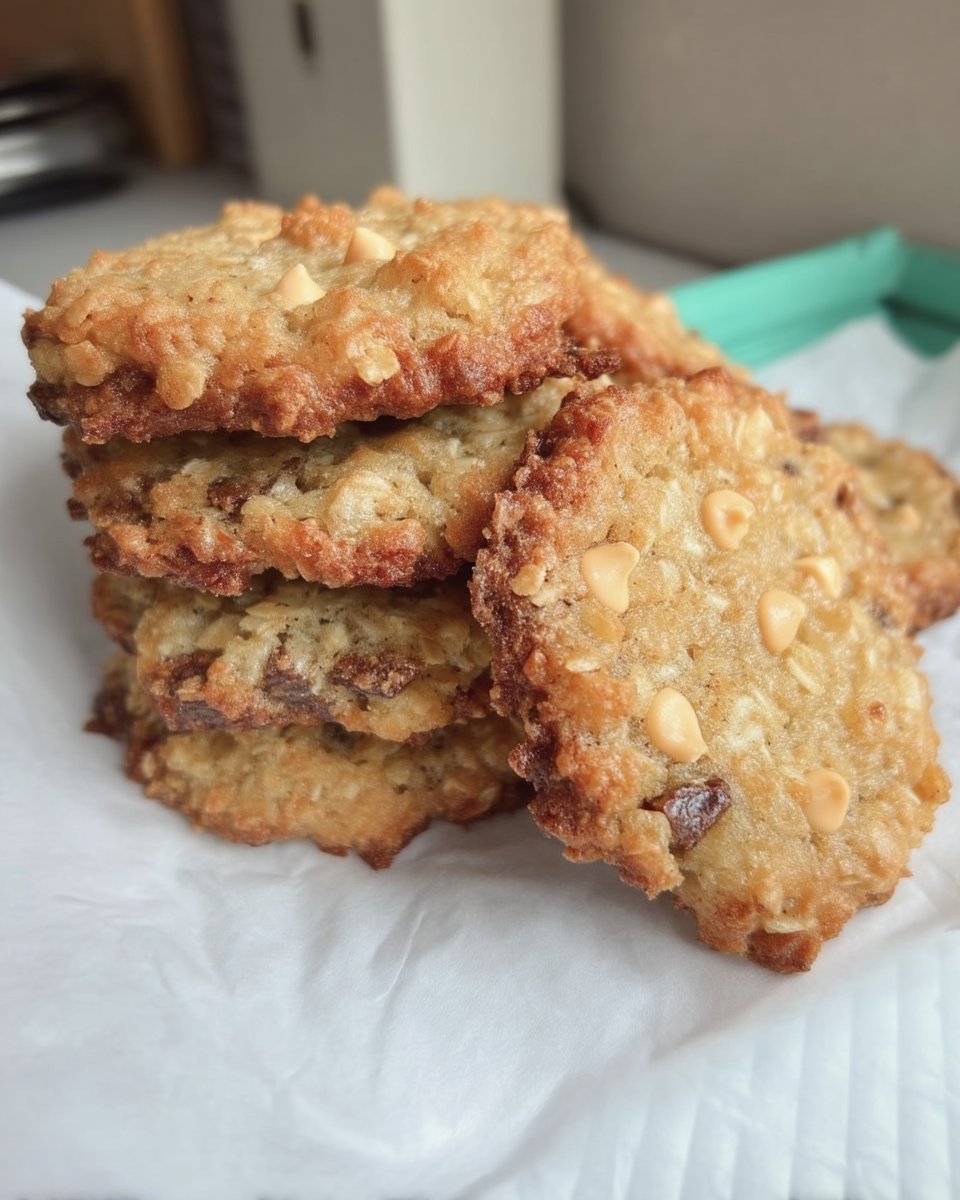
Many vintage gingerbread recipes result in cookies that turn into bricks within twenty-four hours. I spent years trying to replicate the deep spice of my grandmother’s kitchen while fixing that common moisture problem. This Paleo Gingerbread recipe uses modern texture secrets to make sure every bite stays tender and jar-fresh for days.

By swapping traditional grains for almond flour and using the natural humectant properties of molasses, we create a cookie that defies the stale-prone nature of the holiday season. These treats are naturally gluten-free and dairy-free, but they possess the satisfying chew that defines a truly great cookie. You won’t miss the wheat when you taste the depth of these spices.
Why This Recipe is a Keeper
There is something deeply satisfying about a gingerbread cookie that doesn’t require a glass of milk just to swallow it. Most Paleo adaptations end up crumbly or dry, but this version focuses on moisture retention. The combination of almond flour’s natural oils and the thick, syrupy nature of molasses creates a soft center that lasts. You will love how the kitchen smells like a warm memory while these bake.
Traditional gingerbread often relies on heavy amounts of refined sugar and flour, which can lead to a quick spike and a hard texture. By using coconut sugar and almond flour, we achieve a rich, caramel-like undertone that complements the ginger and allspice perfectly. These cookies stay soft and chewy for a full week, solving the age-old problem of the rock-hard holiday treat. It is a heritage flavor with a much better chew.
Print
Paleo Gingerbread
- Total Time: 52 mins
- Yield: 14 cookies
- Diet: Paleo
Description
Experience a tender and chewy holiday treat with this grain-free gingerbread recipe. By combining almond flour with the natural moisture of molasses, these cookies stay soft for days while delivering a deep, vintage spice flavor that is both gluten-free and dairy-free.
Ingredients
- 2 cups (220g) fine-ground almond flour
- 1/2 cup (76g) coconut sugar
- 3 tablespoons molasses
- 1 large egg
- 2 tablespoons coconut oil, melted and cooled
- 1 tablespoon ground ginger
- 1 teaspoon ground cinnamon
- 1/2 teaspoon ground allspice
- 1/2 teaspoon baking soda
- 1 pinch salt
- 1 teaspoon vanilla extract
Instructions
- Place the almond flour, baking soda, coconut sugar, cinnamon, ginger, allspice, and salt into a food processor and pulse 3 to 4 times to remove lumps.
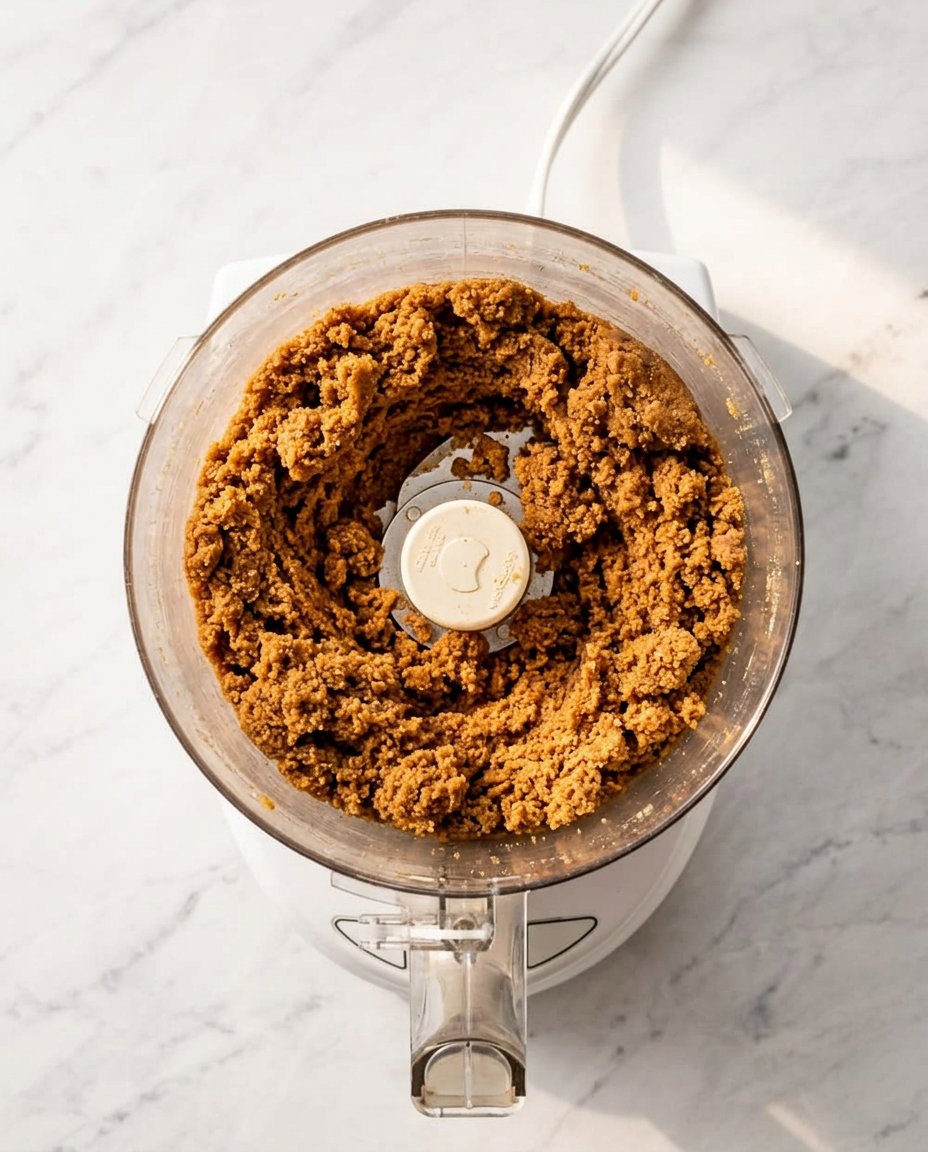
- Add the melted coconut oil, molasses, egg, and vanilla extract; process for 15 to 20 seconds until a dark, fragrant dough forms.
- Transfer the dough to a bowl, wrap tightly with plastic wrap, and refrigerate for at least 30 minutes to firm up the fats.
- Preheat your oven to 350 degrees Fahrenheit (175 degrees Celsius) and line a large baking sheet with parchment paper.
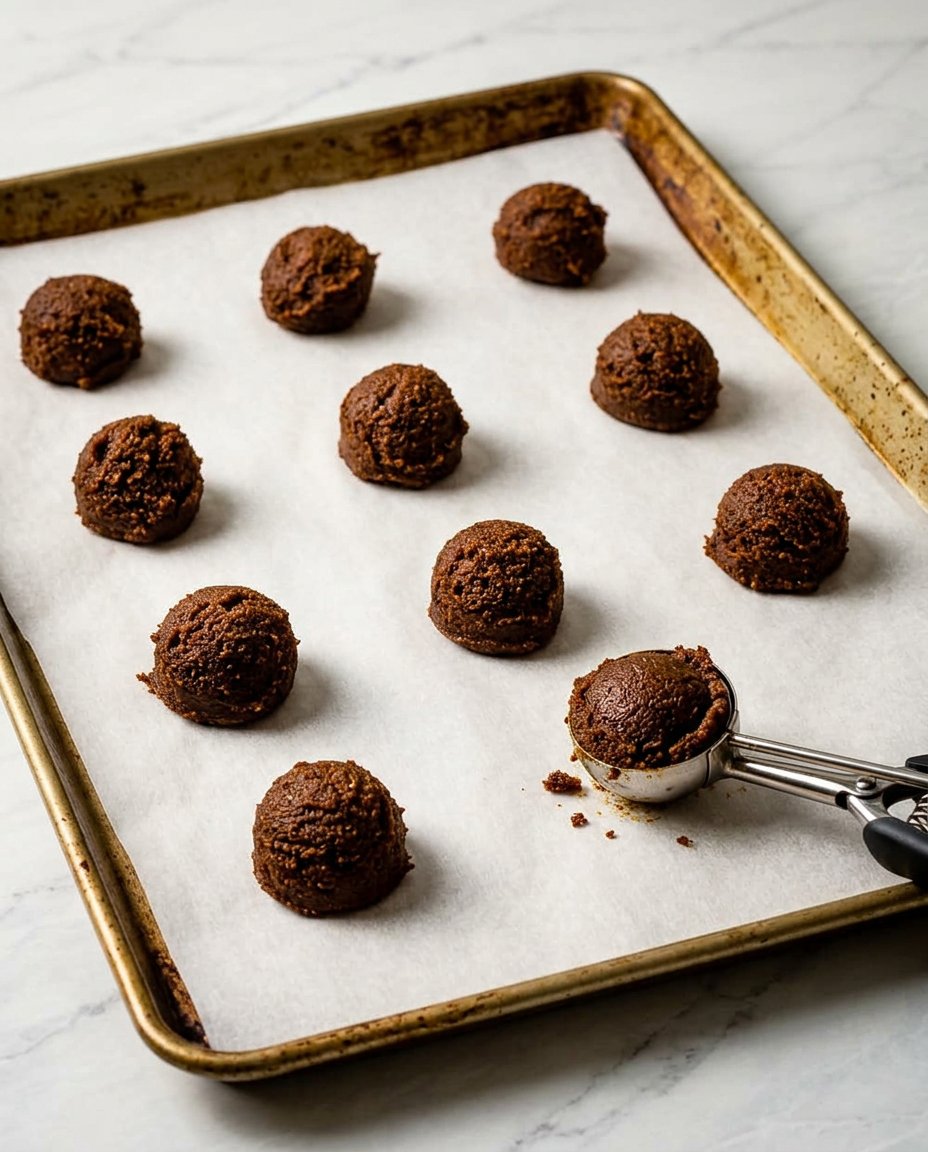
- Scoop out 1 1/2 tablespoons of dough for each cookie, place them 2 inches apart on the sheet, and gently press down with your palm to flatten.
- Bake for 10 to 12 minutes until edges are set, then let cool on the pan for 5 minutes before moving to a wire rack.
Notes
For the best results, use a fine-ground almond flour rather than a coarse almond meal to ensure a smooth, cookie-like texture. If your kitchen is particularly warm and the dough becomes too sticky to handle, simply chill it for an additional 15 minutes. These cookies can be stored in an airtight container at room temperature for up to one week.
- Prep Time: 40 mins
- Cook Time: 12 mins
- Category: Dessert
- Method: Baking
- Cuisine: American
The Building Blocks of Better Texture
To achieve that perfect chew, we focus on ingredients that hold onto moisture. Each component in this Paleo Gingerbread serves a specific purpose for the final mouthfeel.
- Almond Flour (2 cups / 220 gr): This provides the structure and healthy fats that keep the cookies from drying out. Use a fine-ground variety for the best results.
- Coconut Sugar (1/2 cup / 76 gr): A lower-glycemic option that brings a deep, toasted flavor similar to brown sugar.
- Molasses (3 tablespoons): This is the secret to the chewy texture. It acts as a humectant, pulling moisture from the air to keep the cookies soft.
- Large Egg: This binds the almond flour together and adds a bit of lift.
- Coconut Oil (2 tablespoons): Melted and cooled oil adds the necessary richness without the need for dairy.
- Spices (Ginger, Cinnamon, Allspice): We use a generous amount to provide that classic, warming heat.
- Baking Soda & Salt: Essential for the right rise and flavor balance.
How to Craft Your Perfect Cookies
Step 1: Combine the Dry Base
Place your almond flour, baking soda, coconut sugar, cinnamon, ginger, allspice, and a pinch of salt into the bowl of a food processor. Pulse the machine 3 to 4 times just to break up any lumps and blend the spices evenly through the flour. This creates a uniform foundation for the dough.
Step 2: Incorporate the Wet Ingredients
Add the melted (and cooled) coconut oil, molasses, egg, and vanilla extract directly into the food processor. Process the mixture for about 15 to 20 seconds. You will see a dark, fragrant dough begin to form and clump together. Don’t worry if it looks a bit shiny; that is the healthy fats from the almond flour working their magic.
Step 3: The Essential Chill
Transfer the dough into a glass bowl and wrap it tightly with plastic wrap. Place it in the refrigerator for at least 30 minutes. This step is non-negotiable for texture. Chilling solidifies the fats, which prevents the cookies from spreading too thin and becoming crisp in the oven.
Step 4: Prep and Preheat
While the dough rests, preheat your oven to 350 degrees Fahrenheit (175 degrees Celsius). Line a large baking sheet with parchment paper. This prevents sticking and makes cleaning up much easier while protecting the delicate bottoms of the cookies.
Step 5: Scoop and Shape
Remove the chilled dough from the fridge. Using a small cookie scoop or a spoon, measure out 1 1/2 tablespoons of dough per cookie. Arrange them on the baking sheet about 2 inches apart. Use the palm of your hand to gently press down on each ball, slightly flattening it. This helps them bake evenly since they won’t spread much on their own.
Step 6: Bake to Perfection
Bake for 10 to 12 minutes. You are looking for the edges to be set while the centers still look slightly soft. Allow the cookies to cool on the sheet pan for 5 minutes before moving them to a wire rack. This carry-over cooking time is the final secret to a soft, chewy interior.
Mehmet’s Freshness Secrets
One of the biggest mistakes home bakers make with almond flour recipes is overbaking. Because these cookies are dark from the molasses, it is hard to see them browning. Trust the timer—if they look a little underdone at 10 minutes, that is usually perfect. They will firm up as they cool, leaving you with a tender center that stays fresh for days.
If you find your dough is exceptionally sticky, do not be tempted to add more flour. Adding extra flour will result in a dry, crumbly cookie. Instead, lightly wet your hands with water before pressing the dough balls down; this prevents sticking without altering the recipe. For more tips on maintaining great texture in grain-free baking, check out our Wholesome Cookie Options. You can also find great inspiration for your holiday table at Foolproof Living.
Heritage Flavor Tweaks
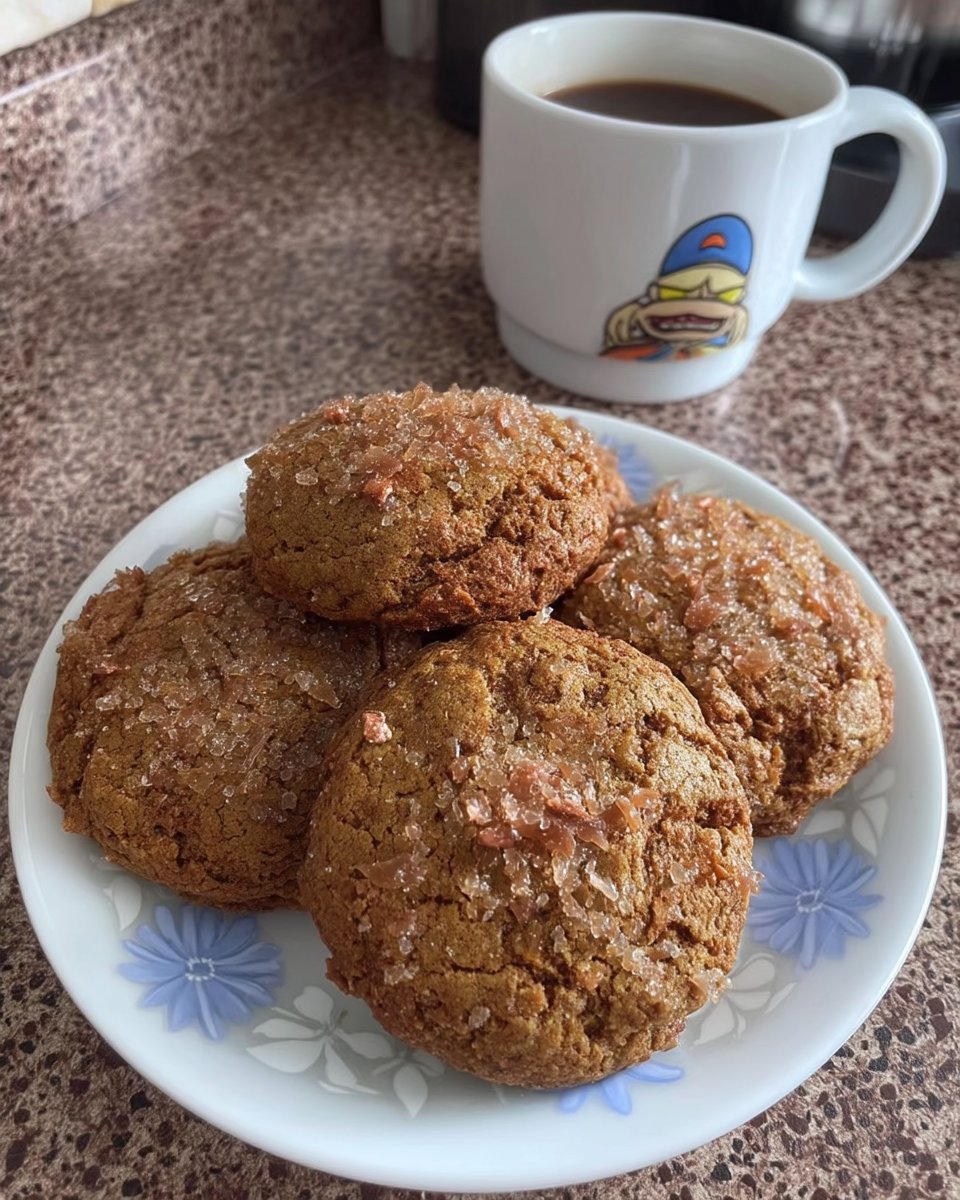
While this recipe is a classic, you can adjust the texture and flavor to suit your family traditions. If you prefer a bit of a crunch on the outside, you can dip the top of each dough ball into extra coconut sugar before flattening it. This creates a lovely crackled appearance and a slight crystalline texture on the first bite.
For those who prefer an even deeper spice profile, try adding a 1/4 teaspoon of ground cloves or a pinch of black pepper. If you need a vegan option, you can replace the egg with a flax egg (1 tablespoon ground flaxseed mixed with 3 tablespoons water, let sit for 5 minutes). Note that the texture will be slightly denser, but still very satisfying. For more traditional inspiration, look through our Classic Cookie Recipes.
Enjoying Your Jar-Fresh Treats
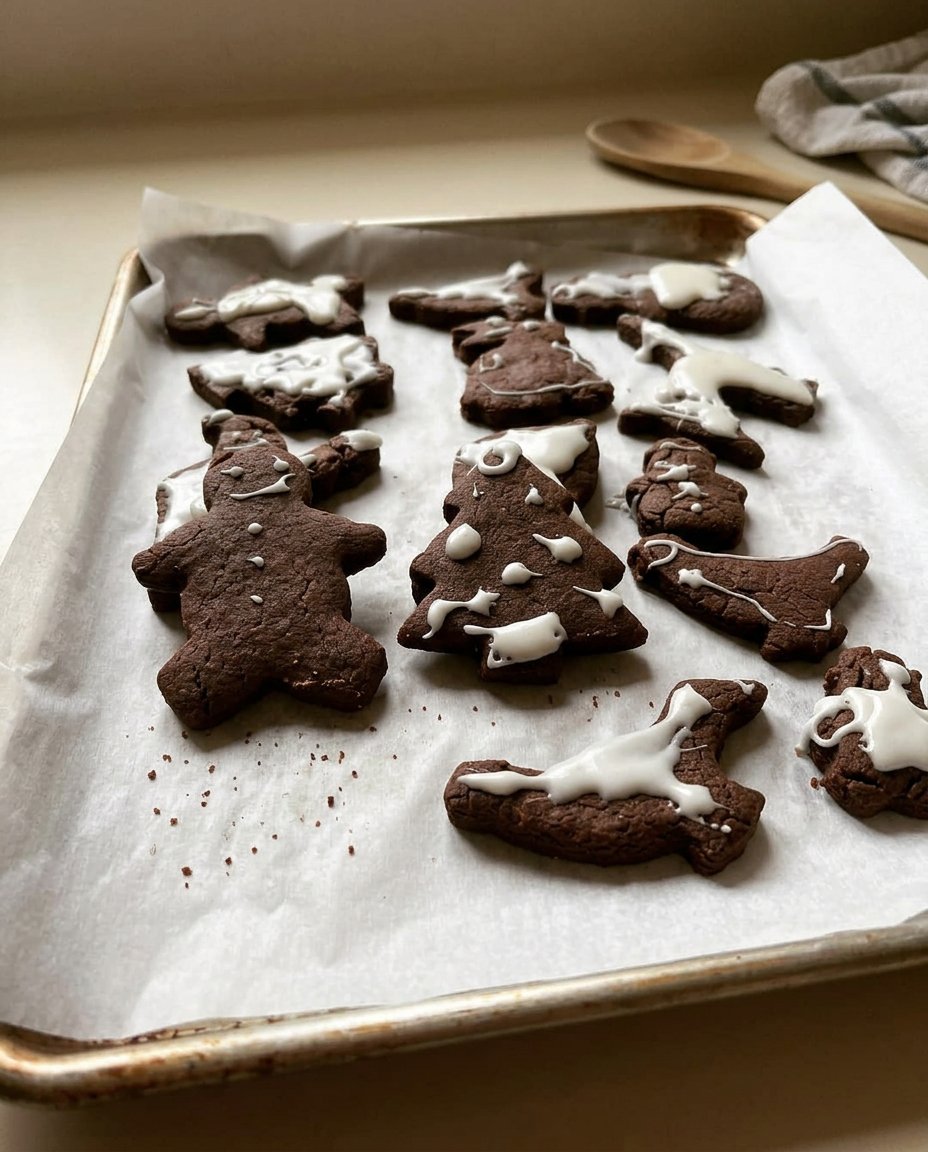
These cookies are at their absolute best when served with a warm cup of coffee or herbal tea. Because they are so rich in spice, they pair beautifully with a simple glass of cold almond milk as well. If you are serving these for a gathering, they look beautiful arranged on a wooden board alongside some dried oranges and cinnamon sticks.
If the cookies have been sitting for a few days and you want that fresh-from-the-oven experience, pop one in the microwave for just 5 to 8 seconds. This softens the molasses and fats, making the cookie taste like it was just pulled from the sheet pan. For other quick treats that the whole family will love, browse our Quick & Easy Cookies collection.
A Tradition of Perfect Texture
Baking should be about preserving the flavors we love without settling for textures that don’t last. This Paleo Gingerbread allows you to share a heritage flavor with everyone, regardless of their dietary needs, while proving that soft cookies are always better than hard ones. I hope these become a staple in your cookie jar this season and for many years to come.
For more seasonal inspiration, don’t miss our Holiday Cookie Celebrations. If you enjoyed this recipe, please share your results with me! You can follow our latest baking adventures on Pinterest, Instagram, and Facebook. You can also find the original inspiration for this technique at Foolproof Living. Happy baking!