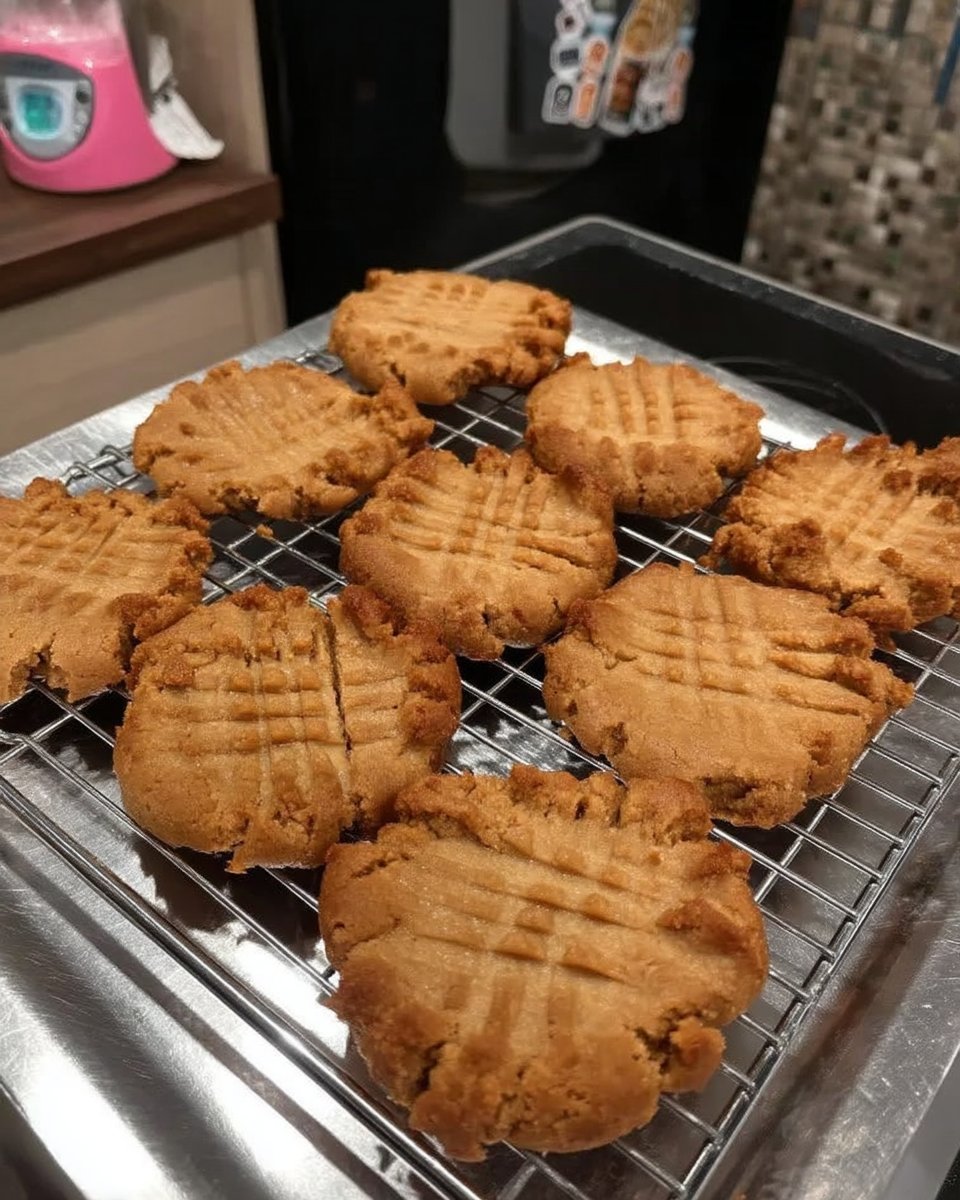
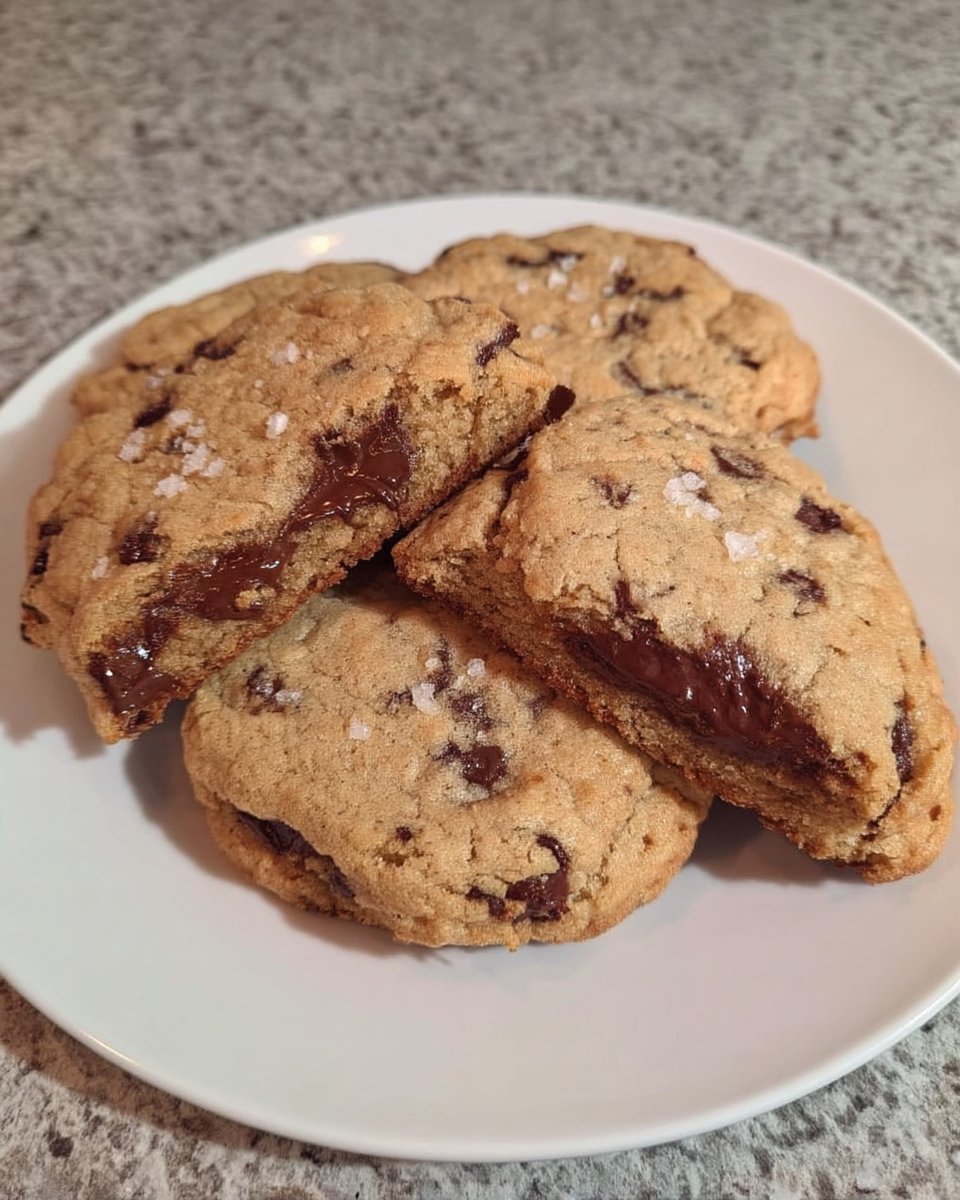
I remember the disappointment of holiday gingerbread men that felt more like decorative cardboard than a proper treat. Those dry, brittle cookies are a common holiday problem, but I found that a simple texture change makes all the difference for lasting softness. By using the natural moisture in almond flour, we can create a gingerbread cookie that stays tender and jar-fresh for days.

This recipe brings the warm, nostalgic spice of ginger and allspice into a dough that remains wonderfully chewy. It is a grain-free way to honor family heritage while ensuring your cookie jar stays full of soft, satisfying bites. You do not need to settle for rock-hard cookies when you have the right moisture-retention techniques.
The Secret to Soft Holiday Spiced Cookies
You will love these cookies because they finally solve the issue of the dry, crumbly ginger treat. The combination of almond flour and molasses creates a heavy, moist crumb that resists going stale, even after sitting in the jar for three days. Unlike traditional wheat-based versions that can toughen if overmixed, this dough remains forgiving and tender thanks to the healthy fats in the nut flour. Every bite delivers a perfect chew that balances the sharp snap of ginger with the deep, caramel-like sweetness of coconut sugar. It is a reliable, wonderful way to share a bit of comfort during the busy season without worrying about your bakes turning into stones by morning.
Print
Paleo Gingerbread
- Total Time: 52 mins
- Yield: 20 cookies
- Diet: Paleo
Description
Enjoy a grain-free holiday classic with these incredibly soft Paleo Gingerbread cookies. By using almond flour and molasses, these treats stay tender and chewy for days, offering a warm and spicy flavor profile without any refined flours.
Ingredients
- Almond flour
- Baking soda
- Coconut sugar
- Cinnamon
- Ground ginger
- Allspice
- Pinch of salt
- Melted and cooled coconut oil or avocado oil
- Molasses
- 1 large egg
- Vanilla extract
Instructions
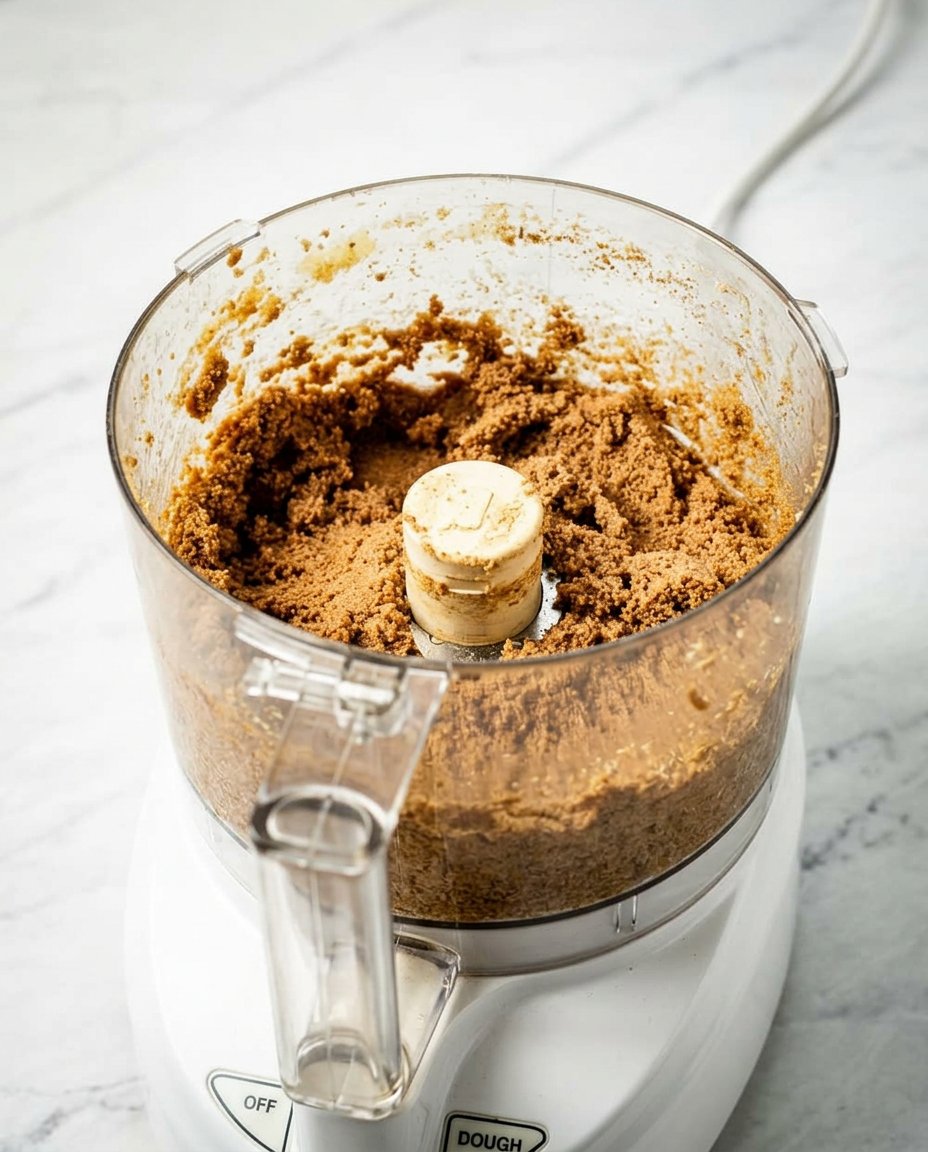
- In a food processor, pulse the almond flour, baking soda, coconut sugar, cinnamon, ground ginger, allspice, and salt 3 to 4 times to remove clumps.
- Add the melted oil, molasses, egg, and vanilla extract, then process for 15 to 20 seconds until a sticky dough ball forms.
- Transfer the dough to a bowl, wrap tightly, and refrigerate for at least 30 minutes to firm up.
- Preheat your oven to 350°F (175°C) and line a baking sheet with parchment paper.
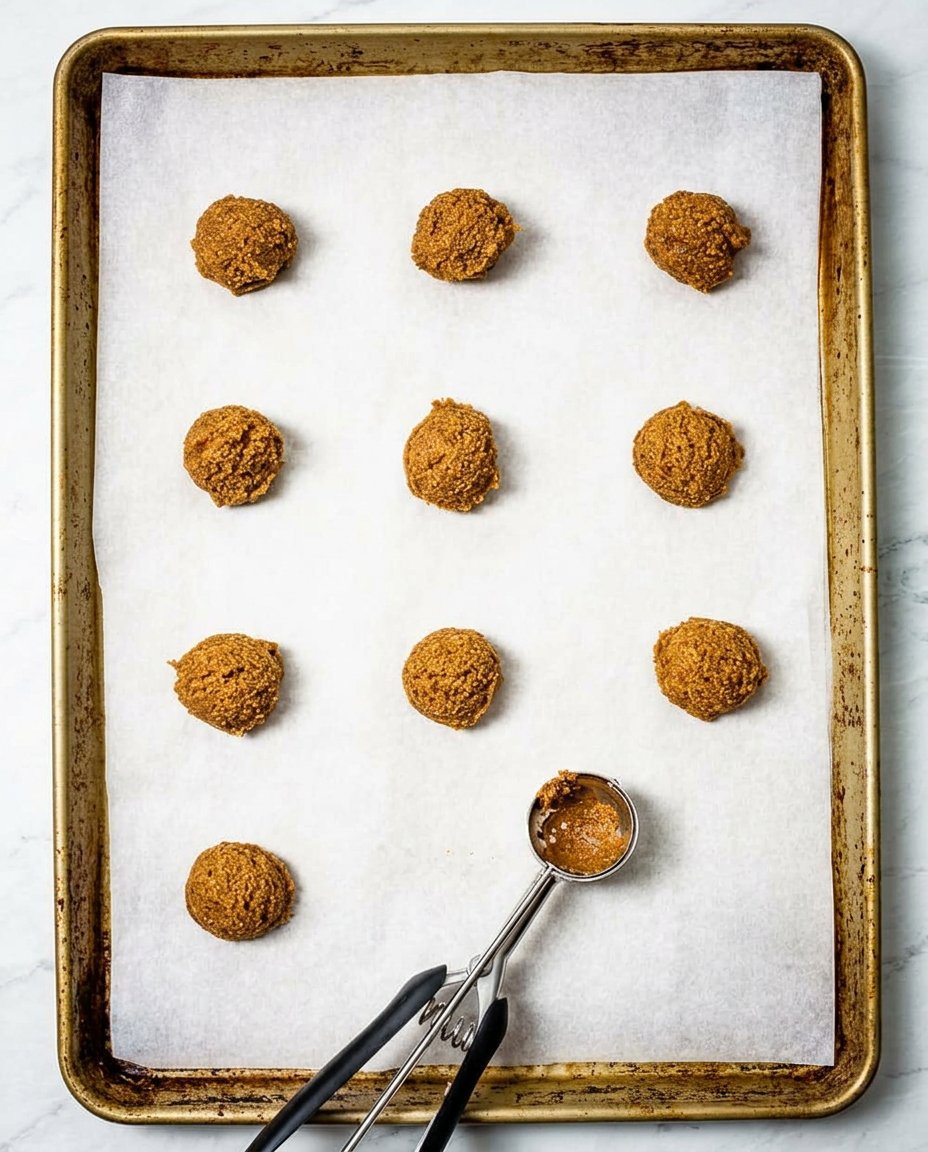
- Scoop 1.5 tablespoon portions of dough, place them 2 inches apart on the sheet, and gently flatten each into a thick disc.
- Bake for 10 to 12 minutes, then allow the cookies to rest on the hot baking sheet for 5 minutes to set before moving.
Notes
To ensure the best texture, avoid over-baking the cookies; they should still look slightly soft in the center when removed from the oven. If your kitchen is particularly warm, keep the dough chilled between baking batches to prevent the cookies from spreading too thin.
- Prep Time: 40 mins
- Cook Time: 12 mins
- Category: Dessert
- Method: Baking
- Cuisine: American
Choosing Ingredients for Maximum Moisture
Building a soft cookie starts with choosing the right fats and sugars that hold onto hydration during the baking process. In this recipe, we skip the refined flours for options that naturally support a tender texture.
- Almond Flour: This is our secret weapon for a soft crumb; the natural oils keep the cookie from drying out in the oven.
- Coconut Sugar: Its lower melting point and caramel notes add a rich depth while keeping the edges from getting too brittle.
- Molasses: This provides that classic dark color and acts as a humectant, which means it literally pulls moisture from the air to keep your cookies chewy.
- Ground Ginger and Allspice: These provide the sharp, warm spice profile that defines a high-quality holiday cookie.
- Large Egg: This provides the necessary structure to bind the grain-free dough while adding a bit of richness to the center.
How to Achieve the Perfect Gingerbread Texture
Step 1: Combine the Dry Base
Place your almond flour, baking soda, coconut sugar, cinnamon, ground ginger, allspice, and a pinch of salt into a food processor. Pulse the mixture 3 or 4 times just to ensure there are no large clumps and the spices are evenly distributed throughout the flour.
Step 2: Form the Moist Dough
Add the melted and cooled coconut oil (or avocado oil), molasses, large egg, and vanilla extract directly into the processor. Run the machine for about 15 to 20 seconds until a sticky, dark dough forms and begins to clump together into a ball.
Step 3: The Essential Chill
Transfer your dough into a clean bowl and wrap it tightly with plastic wrap. Place it in the refrigerator for at least 30 minutes; this step is vital because it allows the healthy fats to firm up, ensuring your cookies hold their shape and stay thick rather than spreading thin.
Step 4: Scoop and Shape
Preheat your oven to 350 degrees (175 C) and line a baking sheet with parchment paper. Use a cookie scoop or spoon to measure about 1.5 tablespoons of dough per cookie, placing them 2 inches apart, then gently press down on each ball to slightly flatten it into a thick disc.
Step 5: Bake for Softness
Bake for 10 to 12 minutes, being careful not to let the edges get too dark. Allow the cookies to rest and firm up on the hot sheet pan for 5 minutes before moving them, as this carry-over cooking helps set the chewy center without drying it out.
Mehmet’s Secrets for Jar-Fresh Softness
The most important rule for keeping these cookies soft is to avoid the temptation to add more flour. Even though the dough feels quite sticky after the food processor, the 30-minute chill will make it much easier to handle. If you find your cookies are still getting too hard after they cool, try reducing your bake time by just 60 seconds next time; a slightly underbaked center is the key to a cookie that stays soft for a full week. For those looking for more Wholesome Cookie Options, remember that almond flour bakes differently than wheat, so keeping an eye on the clock is your best tool. You can also find more guidance on this specific spice profile by looking at the tips on Foolproof Living.
Flavor Tweaks and Texture Adjustments
If you prefer a cookie with a bit of a crunch on the outside, you can roll each dough ball in a little bit of extra coconut sugar before you press them down on the baking sheet. For those who enjoy a bit of holiday flair, you can dip half of each cooled cookie into melted dark chocolate or a simple coconut butter glaze. While this dough is best for drop cookies, if you want to use cutters, ensure the dough is very cold and roll it between two sheets of parchment paper. If you are interested in making these for a party, you might look into Cookie Decorating Traditions to find creative ways to pipe on some festive designs using paleo-friendly icing.
How to Serve and Store Your Fresh Cookies
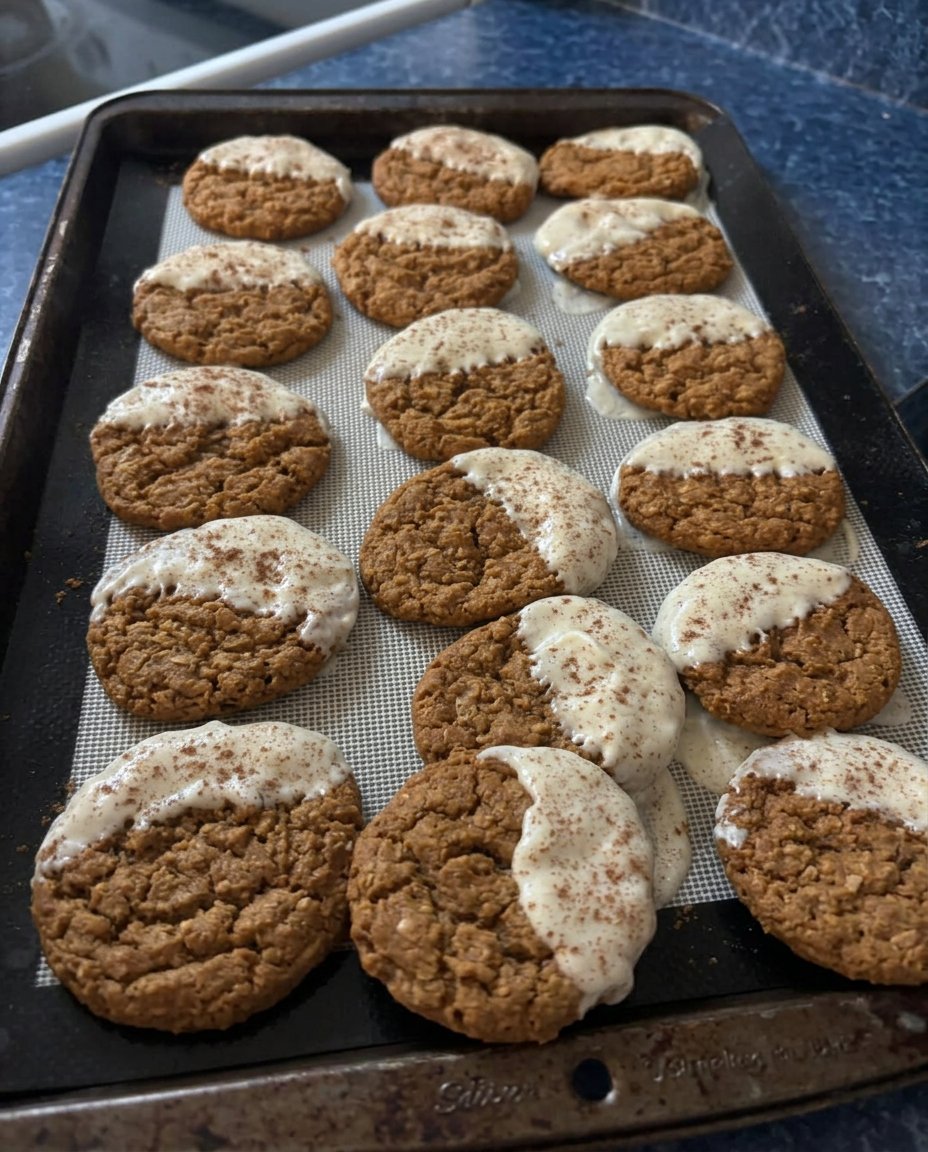
These cookies are best enjoyed with a warm cup of herbal tea or a glass of cold almond milk to complement the spice. To keep them soft for days, store them in an airtight glass jar at room temperature; adding a small slice of apple to the jar can help maintain that perfect moisture level. If you are looking for other fast treats to serve alongside these, check out my Quick & Easy Cookies section. For a real treat, pop a leftover cookie in the microwave for five seconds to revive that ‘just-out-of-the-oven’ warmth and aroma.
Keeping the Tradition Soft and Fresh
There is no reason holiday traditions should come with hard, dry cookies that no one actually wants to eat. By making these Paleo Gingerbread cookies, you are providing a treat that is both inclusive for different diets and objectively better in texture than the old-fashioned versions. I hope these become a staple in your winter baking rotation and that they bring a bit of soft, chewy joy to your kitchen. Be sure to look at our other Holiday Cookie Celebrations for more ideas. Please share your baking results with us on Facebook, Instagram, Pinterest, or X!