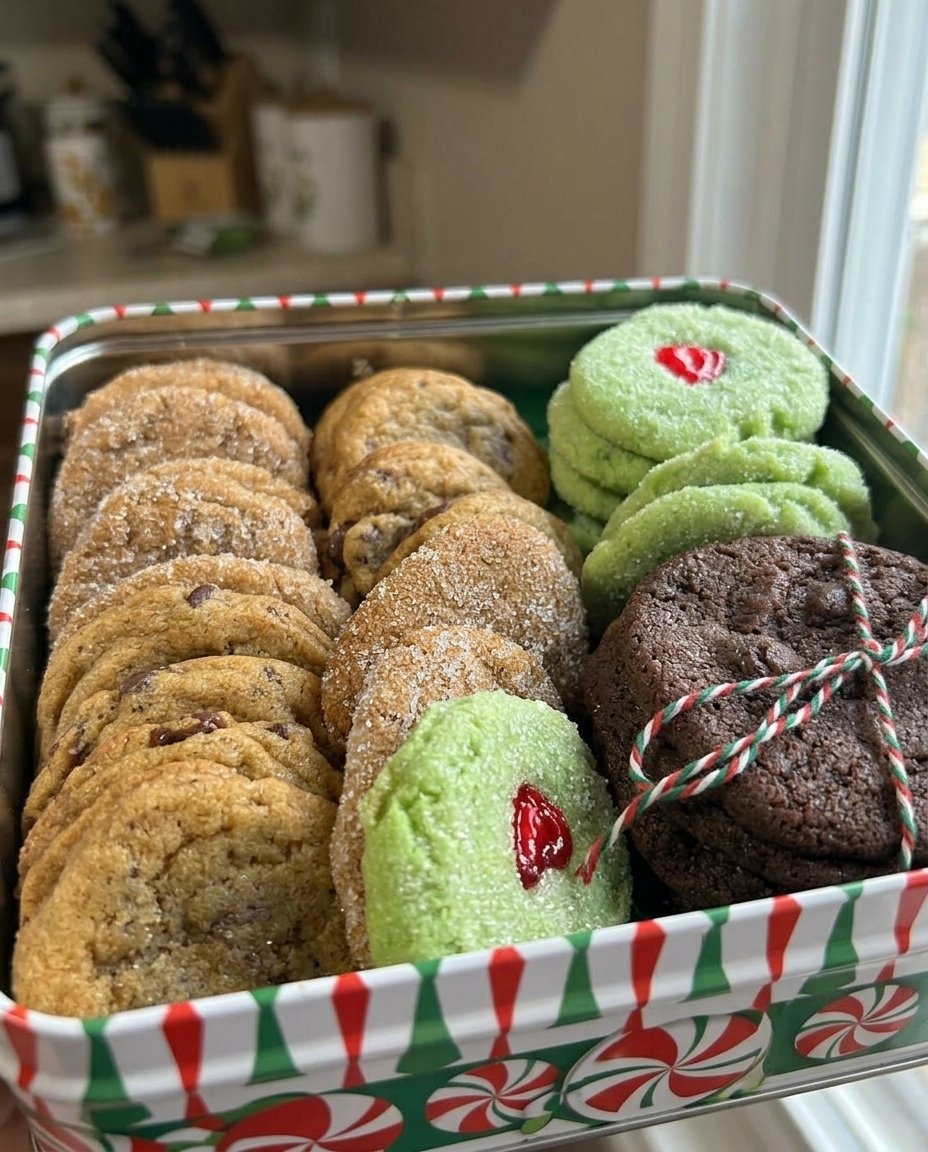
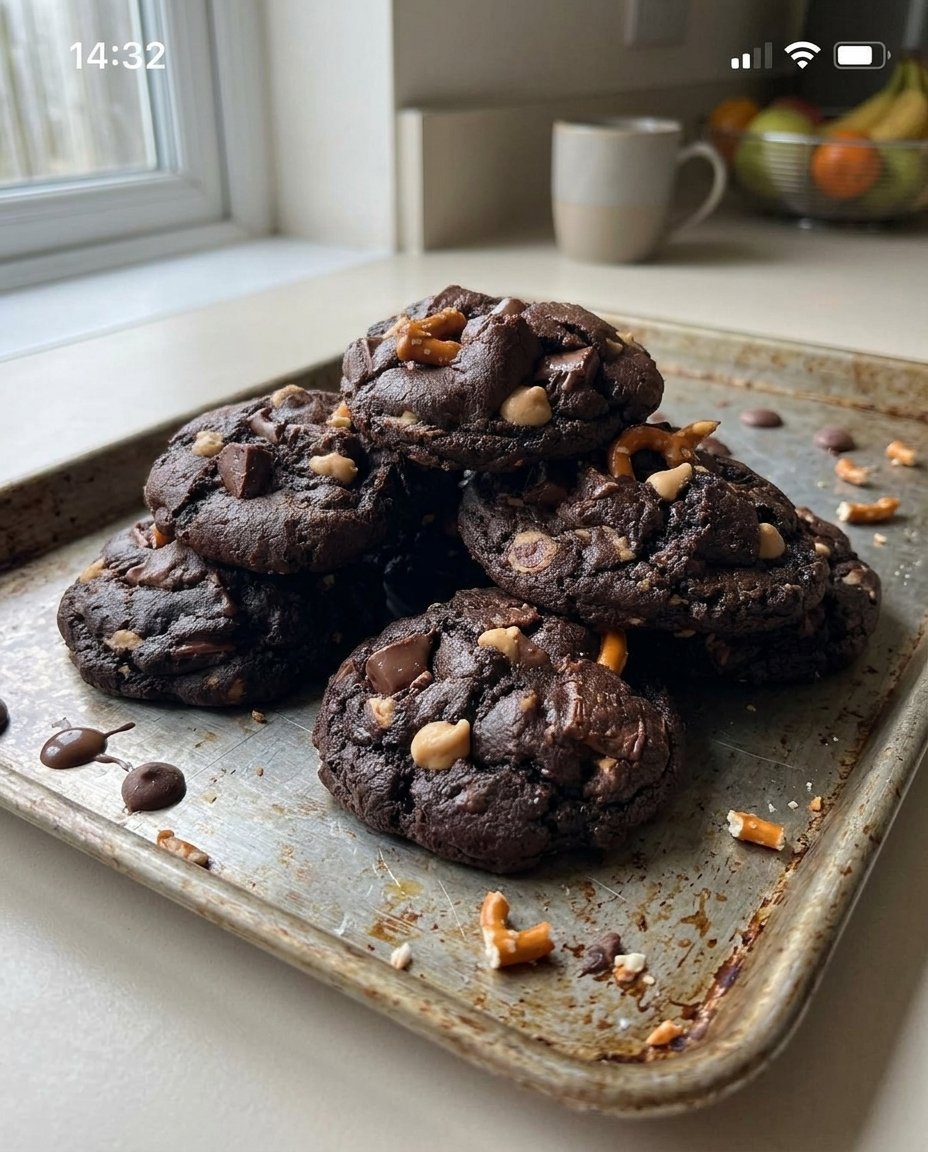
Many home bakers feel the sting of disappointment when their holiday treats turn into dry, crumbly discs after just one night in the cookie jar. This Paleo Gingerbread 3 recipe was born from my obsession with maintaining a soft, tender crumb that honors vintage spice profiles without using refined grains. By focusing on moisture retention through specific fat ratios, I have found a way to keep these cookies chewy and fresh for days on end.

These cookies capture the deep, aromatic warmth of traditional holiday baking while catering to those who prefer wholesome, gluten-free options. The combination of almond flour and molasses creates a satisfying bite that avoids the grittiness often found in alternative flour recipes. You will find that these stay remarkably soft, providing a reliable treat for your family throughout the entire festive season.
A Perfect Treat for Any Occasion
There is a special comfort in a cookie that feels like a hug in every bite, and these ginger-spiced wonders deliver exactly that. Most gluten-free recipes suffer from a lack of structural integrity, often falling apart or drying out, but the specific balance here guarantees a sturdy yet yielding texture. You will love how the molasses interacts with the almond flour to create a deep caramel-like undertone that complements the sharp kick of ground ginger.
Another reason this recipe stands out is its remarkable longevity. While many cookies are only good for the first hour out of the oven, these actually improve as the spices meld over twenty-four hours. They remain moist and pliable, making them the perfect candidate for a vintage cookie jar that actually keeps its promises. This is not just a seasonal fix; it is a texture-perfected method for anyone who values a reliable, soft-baked result every single time.
Finally, the ease of preparation makes this a winner for busy schedules. Using a food processor simplifies the mixing process, making sure that the fat is evenly distributed without overworking the dough. You get a consistent, high-quality result that tastes like it took hours of careful labor, but in reality, it comes together with minimal effort and maximum flavor impact.
Print
Paleo Gingerbread 3
- Total Time: 47 mins
- Yield: 12 cookies
- Diet: Paleo, Gluten-Free
Description
Enjoy the rich, warm flavors of the holidays with these grain-free gingerbread cookies that prioritize a soft and chewy texture. Made with wholesome ingredients like almond flour and molasses, they are a reliable and delicious option for those following a paleo lifestyle.
Ingredients
- 220g almond flour
- 76g coconut sugar
- 3 tablespoons molasses
- 1 tablespoon ground ginger
- 1 teaspoon ground cinnamon
- 1/2 teaspoon baking soda
- 1/4 teaspoon ground allspice
- Pinch of salt
- 3 tablespoons melted and cooled coconut oil or avocado oil
- 1 large egg
- 1 teaspoon vanilla extract
Instructions
- Place the almond flour, baking soda, coconut sugar, cinnamon, ginger, allspice, and salt into the bowl of a food processor and pulse 3-4 times to combine.
- Add the melted and cooled oil, molasses, egg, and vanilla extract, then process for 15 to 20 seconds until a sticky dough forms.
- Transfer the dough to a bowl, cover tightly, and refrigerate for at least 30 minutes to prevent spreading.
- Preheat the oven to 350°F (175°C) and line a baking sheet with parchment paper.
- Scoop 1.5 tablespoon portions of dough onto the sheet, spacing them 2 inches apart, and gently flatten each into a thick disc.
- Bake for 10 to 12 minutes until the edges are set, then allow the cookies to cool on the pan for 5 minutes before transferring.
Notes
Storing these cookies in a ceramic jar or airtight container with a slice of apple can help maintain moisture even longer. If you find the dough too tacky to handle after the initial chill, another 15 minutes in the fridge will make it easier to shape without sticking.
- Prep Time: 35 mins
- Cook Time: 12 mins
- Category: Cookies
- Method: Baking
- Cuisine: American
The Secret to Paleo Gingerbread 3 Texture
To achieve a result that stays fresh for days, we must look at how each component contributes to the final moisture level. Almond flour is our primary building block, offering a high healthy fat content that prevents the cookie from becoming parched.
- Almond Flour (220g): This provides the base structure and essential oils for a tender crumb.
- Coconut Sugar (76g): A natural sweetener that adds a slight hint of caramel while helping to lock in moisture.
- Molasses (3 tablespoons): This is the heart of the chewiness, providing that classic dark color and a moist, sticky bond.
- Ground Ginger and Cinnamon: These provide the signature warmth and aromatic depth that defines a true gingerbread.
- Coconut Oil or Avocado Oil: These fats keep the dough pliable and contribute to the “melt-in-your-mouth” feel.
- One Large Egg: Acts as the binder to give the cookies their necessary lift and structure.
Using these specific ingredients helps us avoid the need for gums or fillers. The molasses specifically acts as a humectant, which means it attracts water and keeps the cookies from turning into crackers. This is the same logic I apply to all my favorite bakes to make sure they remain satisfyingly soft.
How to Make It
Step 1: Combine the Dry Bases
Place your almond flour, baking soda, coconut sugar, cinnamon, ginger, allspice, and a pinch of salt into the bowl of your food processor. Pulse the mixture three or four times. This quick action breaks up any stubborn clumps in the almond flour and makes sure the spices are distributed perfectly through the base before we add the wet components.
Step 2: Form the Dough
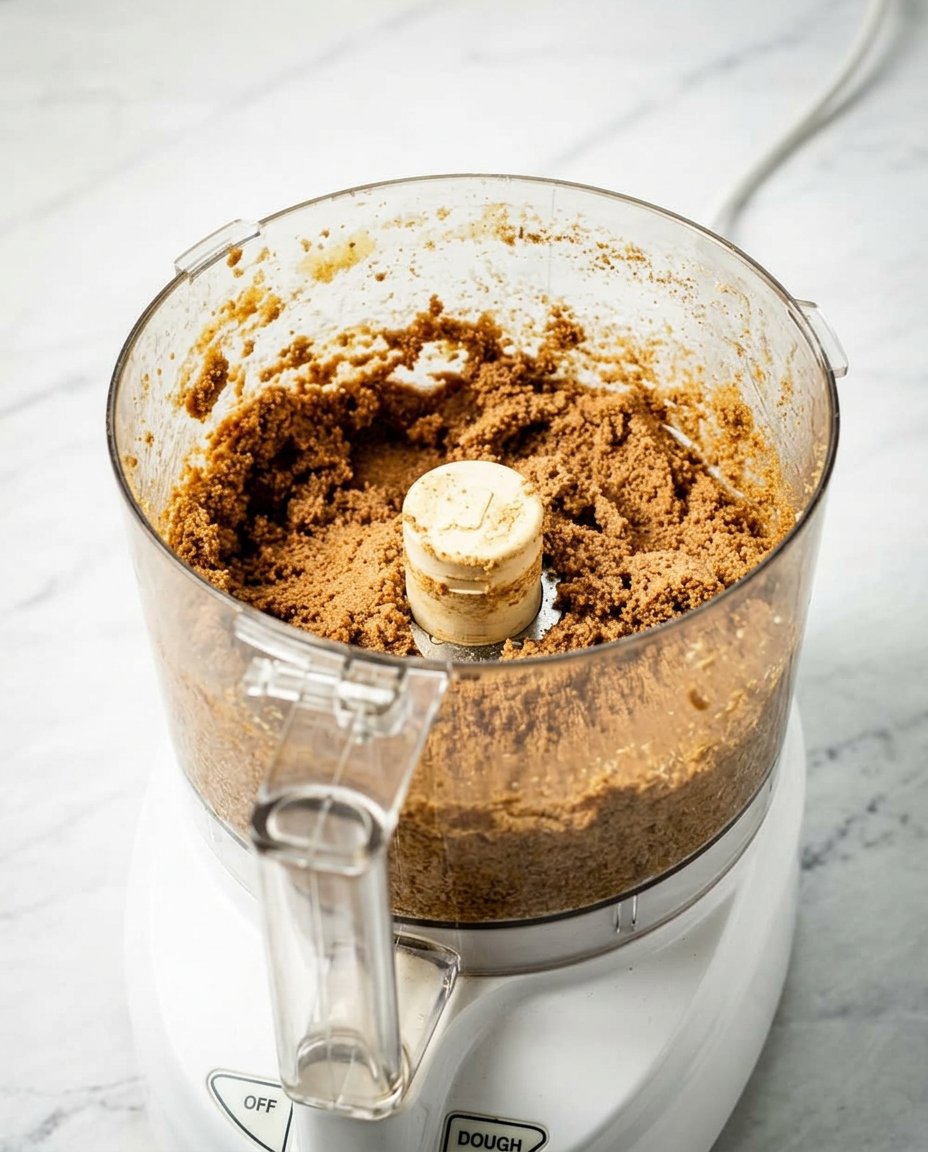
Add the melted and cooled coconut oil (or avocado oil), the molasses, the large egg, and your vanilla extract directly into the food processor. Run the machine for about 15 to 20 seconds. You will see the mixture transform from a loose meal into a cohesive, sticky dough. This method is faster than hand-mixing and yields a more uniform texture.
Step 3: The Essential Chill
Transfer your sticky dough into a glass bowl and cover it tightly with plastic wrap. Place it in the refrigerator for at least 30 minutes. Do not skip this part! Chilling allows the fats to firm up, which is the secret to preventing the cookies from spreading too thin and becoming crispy in the oven.
Step 4: Prep and Scoop
Preheat your oven to 350 degrees Fahrenheit (175 degrees Celsius) and line a large baking sheet with parchment paper. Use a cookie scoop or a measuring spoon to portion out 1.5 tablespoons of dough per cookie. Place them on the sheet about two inches apart to give them room to breathe.
Step 5: Shape and Bake
Since this dough does not spread much on its own, use your fingers or the back of a spoon to gently press down on each ball, flattening it into a thick disc. Bake for 10 to 12 minutes. The edges should look set, but the centers will still feel a bit soft to the touch. Let them cool on the pan for 5 minutes to set their structure before moving them.
Mehmet’s Texture Tips
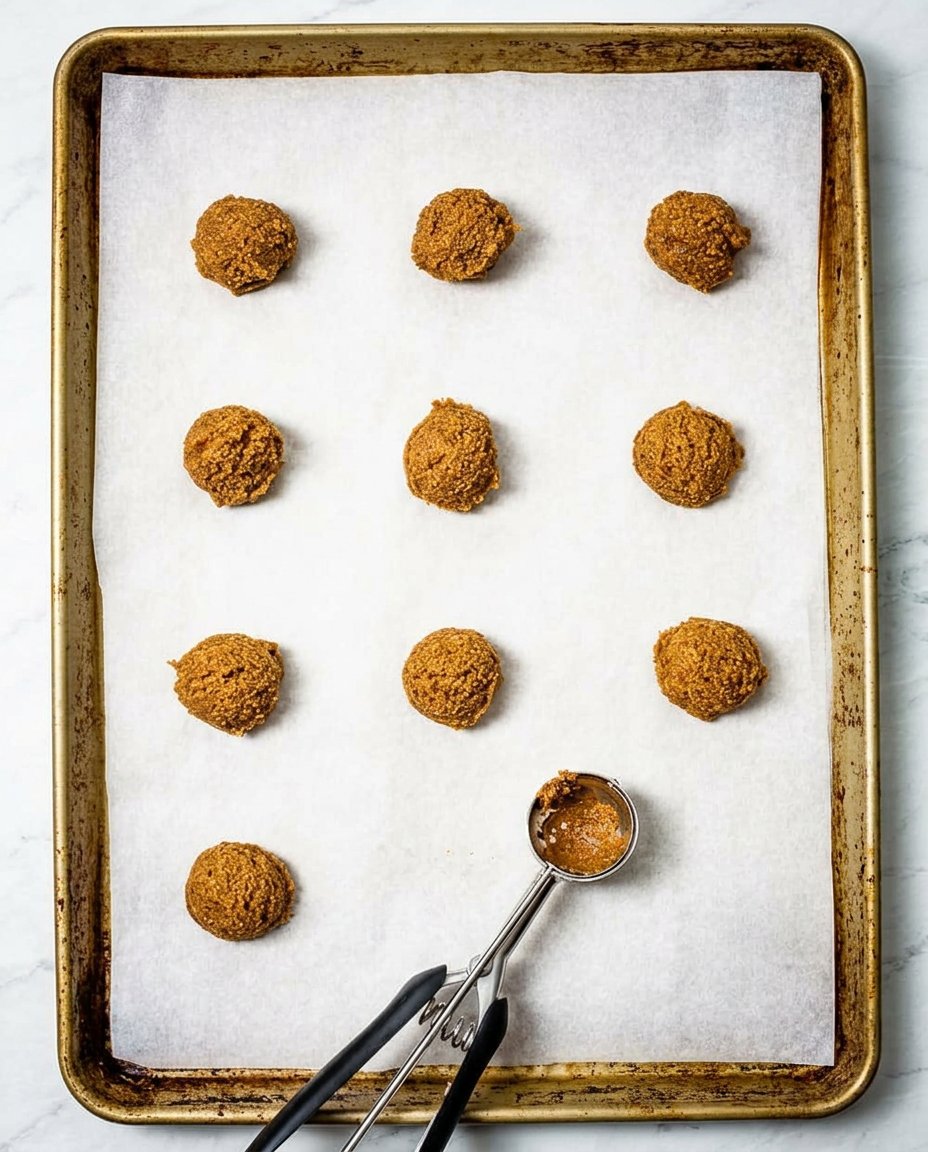
The most important advice I can give for this Paleo Gingerbread 3 recipe is to resist the urge to add more flour. The dough will be very sticky, but that stickiness is exactly what leads to a moist finished product. If you add more flour, you risk a dry and sandy texture that won’t last in the jar. For more guidance on healthy baking, check out our Wholesome Cookie Options.
When testing for doneness, always pull the cookies out when they still look slightly underbaked in the middle. Residual heat from the baking sheet will finish the cooking process without evaporating the essential moisture. You can find more detailed advice on spice ratios in this gingerbread guide. Remember to store these in an airtight container with a small piece of parchment between layers to keep the surfaces from sticking together.
Texture Tweaks and Flavor Options
If you prefer a cookie with a bit more snap on the outside while keeping the inside soft, you can roll the dough balls in extra coconut sugar before flattening them. This creates a beautiful crackle finish and a slight crunch that contrasts wonderfully with the tender center. For those who enjoy a bit of holiday flair, adding the zest of one orange to the food processor during the mixing stage provides a bright, citrusy lift. You can see how we use similar flavor profiles in our Holiday Cookie Celebrations.
For a truly decadent version, try dipping half of each cooled cookie into melted dark chocolate. The bitterness of the chocolate balances the warm spices and the molasses perfectly. If you find the dough too difficult to handle even after chilling, you can dampen your hands slightly with water; this prevents the molasses from sticking to your skin while you shape the discs.
How to Serve and Store
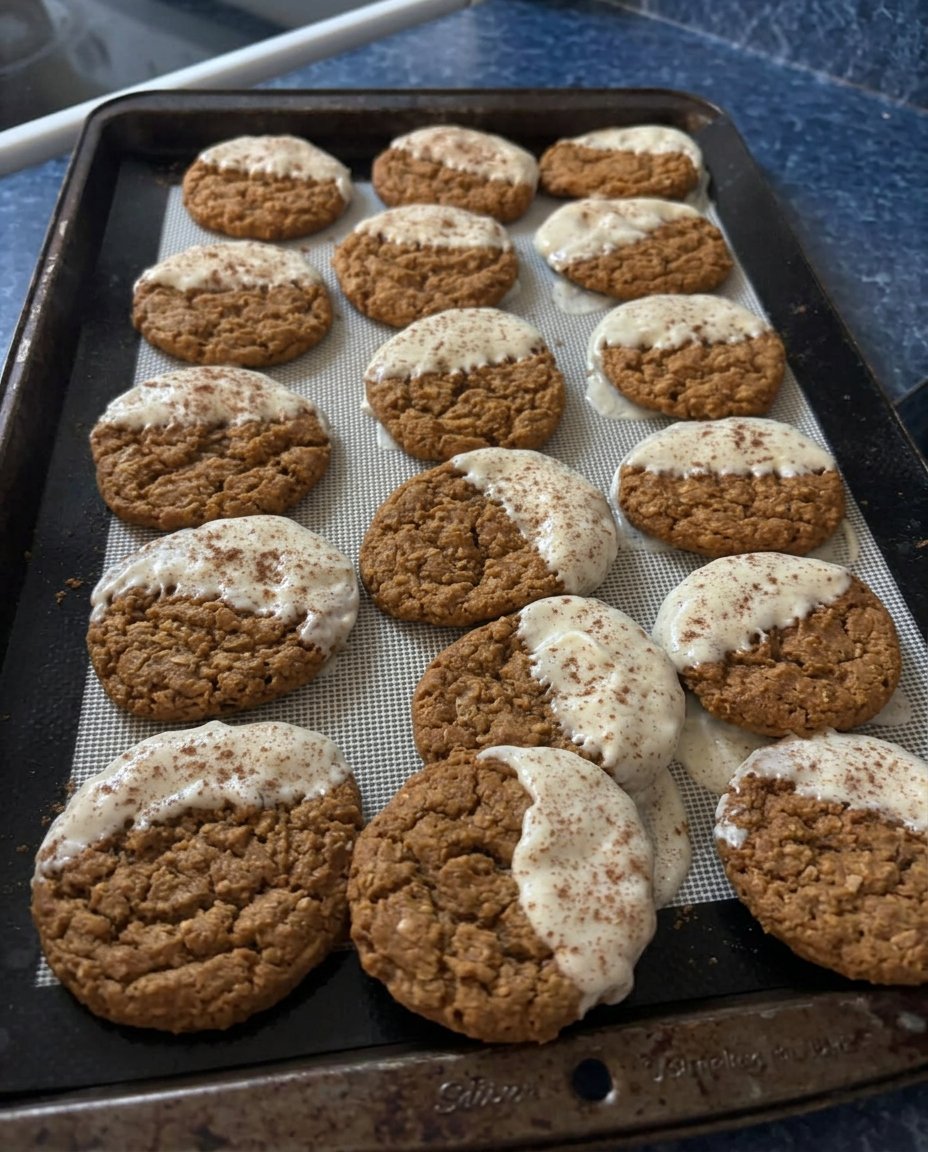
These cookies are best enjoyed with a warm cup of tea or a cold glass of almond milk. To maintain that jar-fresh texture, keep them in a sealed container at room temperature. They will stay soft for up to five days, which is a rare feat for gluten-free baking. If you need something for a last-minute gathering, look through our Quick & Easy Cookies for more inspiration.
If you want to recreate that fresh-from-the-oven experience on day three or four, simply pop a cookie into the microwave for 5 to 8 seconds. This gently softens the fats and warms the molasses, making the cookie feel as though it was just pulled from the cooling rack. They also make a wonderful base for an ice cream sandwich if you use a dairy-free vanilla bean scoop.
The Texture Truth
Mastering the soft gingerbread cookie is about respecting the ingredients and giving the dough the time it needs to rest. I hope this recipe helps you solve the problem of dry, crumbly holiday treats once and for all. For more traditional favorites with a texture-first approach, explore our Classic Cookie Recipes. Please share your baking results with us on Instagram, Facebook, and Pinterest. We love seeing your beautiful cookie jars filled with soft, spiced perfection!